

 Start Read
 Recommend

Step into the magical Garden of Goodness where children discover the importance of love, joy, peace, patience, kindness, goodness, faithfulness, gentleness, and self-control. Through a heartwarming story, kids learn how these special Fruits of the Spirit can grow in their hearts and help them spread kindness and goodness wherever they go. This beautifully illustrated story teaches valuable life lessons in a simple and engaging way, perfect for young readers.

çocuk top oynuyor

Delphine life in the zoo he was very smart and friendly to people
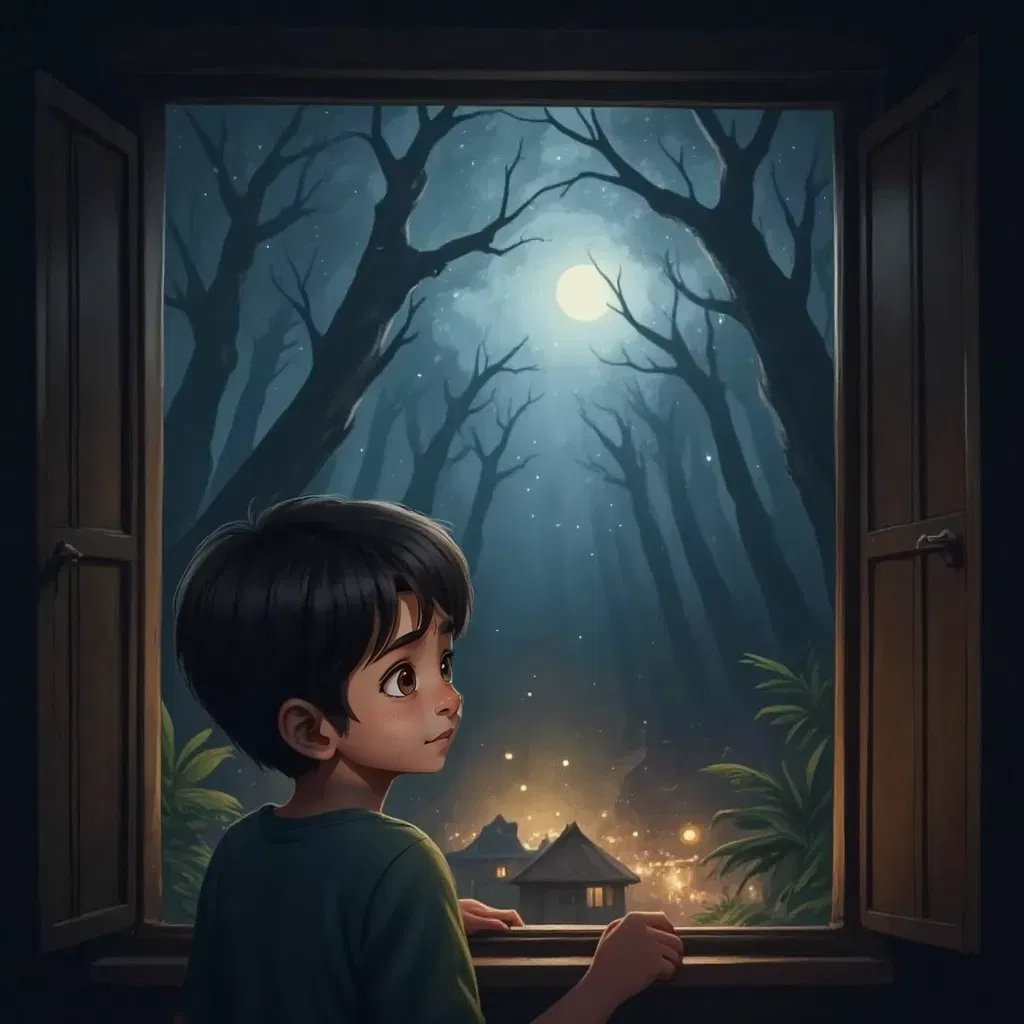
Page 1In a small village near the woods, there lived a boy named Leo. He loved to explore but was afraid of the dark forest beyond his home. Page 2One day, his father, Daniel, said, "Leo, will you come with me to gather firewood?" Leo hesitated. "But the forest is scary," he whispered. Page 3His father knelt beside him. "Courage doesn’t mean having no fear. It means trusting God and moving forward, even when you are afraid." Page 4Leo took a deep breath and held his father’s hand as they stepped into the forest. Shadows danced around them, and strange noises filled the air. Page 5As they gathered wood, Leo saw a small bird stuck in a thorny bush. "Oh no! It needs help!" he said, but he was scared to reach into the thorns. Page 6His father nodded. "Be brave, Leo." Taking a deep breath, Leo carefully freed the bird. It chirped and flew away. "I did it!" he exclaimed. Page 7"Yes, you did," his father smiled. "You faced your fear to help another, and that is true courage." Page 8As they walked home, Leo no longer felt afraid of the forest. He learned that with faith and bravery, he could overcome any fear. The End.

A man named Jack sits on the floor with his head leaning against a wall, visibly frustrated. Around him, scattered papers and a laptop with analytics showing "Visitors: High, Sales: Zero" on the screen. The ambiance is dim, with a sense of stress and urgency.

Page 1 In the beautiful Lung Yue Tau, four friends—Yao Yao, Jun Jie, Xiao Ling, and Wen Yu—decided to go on a field trip to explore the history and culture of the area. Page 2 “Today, we’re going to Old Walled Village!” Yao Yao said excitedly. She heard there were ancient walls and mysterious defenses waiting for them to discover. Page 3 The four arrived at Old Walled Village and saw the tall walls and narrow gate. Jun Jie observed closely, saying, “The design here is so interesting; it must have been great for keeping pirates away!” Page 4 Xiao Ling exclaimed, “Look at the steps in front of the gate! This design makes it hard for enemies to attack!” Everyone nodded, impressed by the wisdom of the ancients. Page 5 Next, they visited the Tin Hau Temple. Wen Yu pointed at the statue and said, “This is Tin Hau, who protects us. She has the Eye and Ear of Heaven beside her!” Page 6 In the temple, Yao Yao discovered two ancient bronze bells and thought, “These bells must have been rung by villagers praying for safety.” They all felt the sacred atmosphere of the temple. Page 7 Finally, they arrived at the Song Ling Tang Temple. Wen Yu said, “This is built to honor our ancestor, Deng Song Ling. What a place full of stories!” They quietly felt the weight of history. Page 8 On their way home, the four friends shared their discoveries and felt a deep respect for Lung Yue Tau. They promised to return next time and explore more secrets!

Mina išče skrivnostno živalco, ki je prijazna, bleščeča in prinaša srečo.

1. In a sunny town, Toby, a boy with a radiant spirit, learns to pray to Jesus in various life moments. 2. From morning gratitude to playground mishaps, Toby's prayers are sincere and heartfelt. 3. Whether facing storms or celebrating victories, Toby finds solace and strength in prayer. 4. Through joys and sorrows, he discovers Jesus is always near, a comforting friend in every situation.
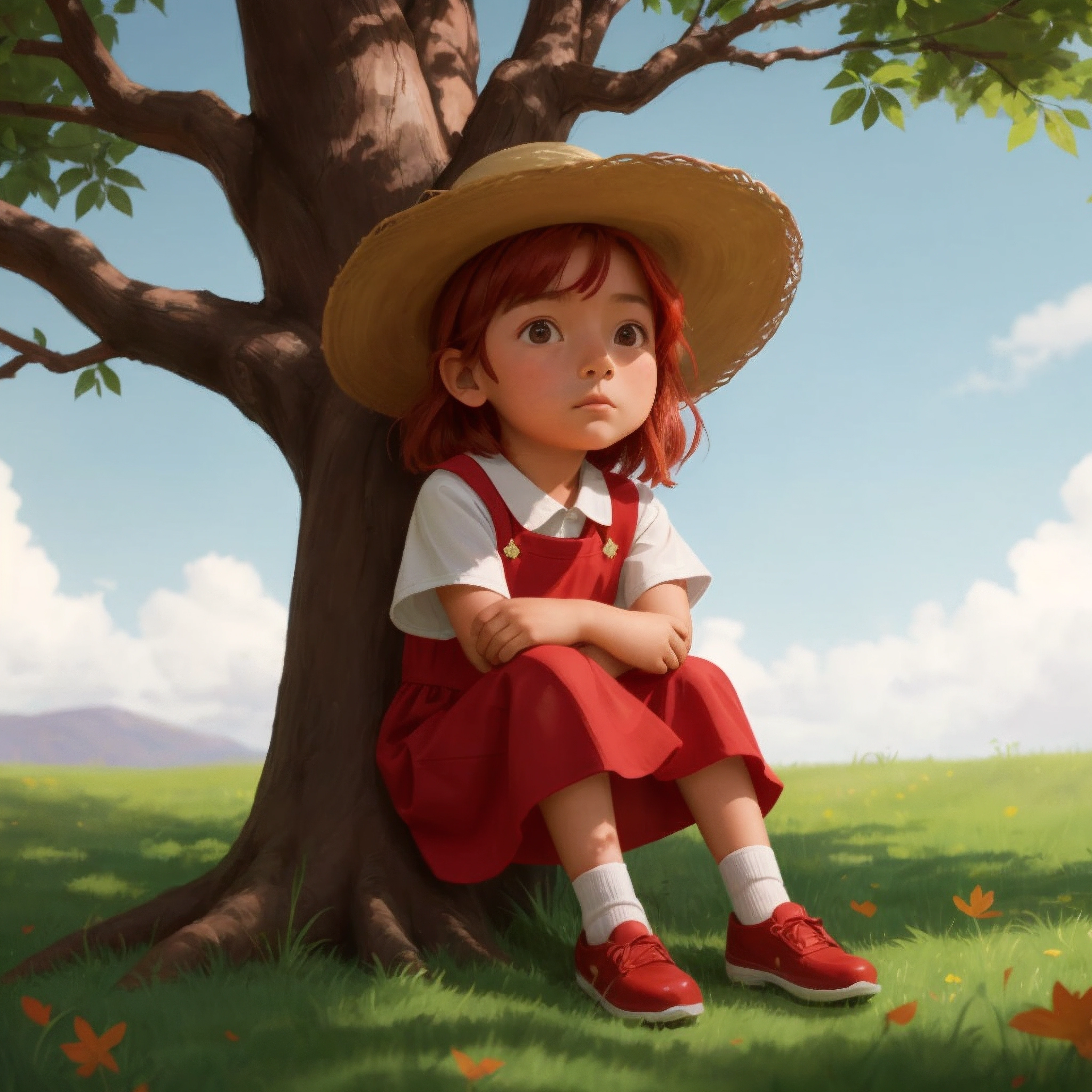
En flicka löser problem i byn med hjälp av sin hemmagjorda tänkarhatt som ger henne inspiration till lösningar

1. Female Anopheles gambiae mosquito is flying through the picturesque Congo Rainforest 2. Mosquito's mouthparts, antennae, and food preference are described 3. Children of the Congo Rainforest are playing in their village 4. Mosquito lands on the arm of child in the Congo Rainforest 5. Eery view of the Congo Rainforest village empty 6. Picture of sleeping children 7. Medicine man comes to cure the children 8. end of book

Once upon a time, in a vast jungle, there was a little elephant who was afraid of everything. One night, he heard a cry for help and discovered a baby bird stuck in a thorn bush. Gathering his courage, he helped the bird, realizing that bravery comes in small acts of kindness. Moral: Courage is not the absence of fear, but the triumph over it.
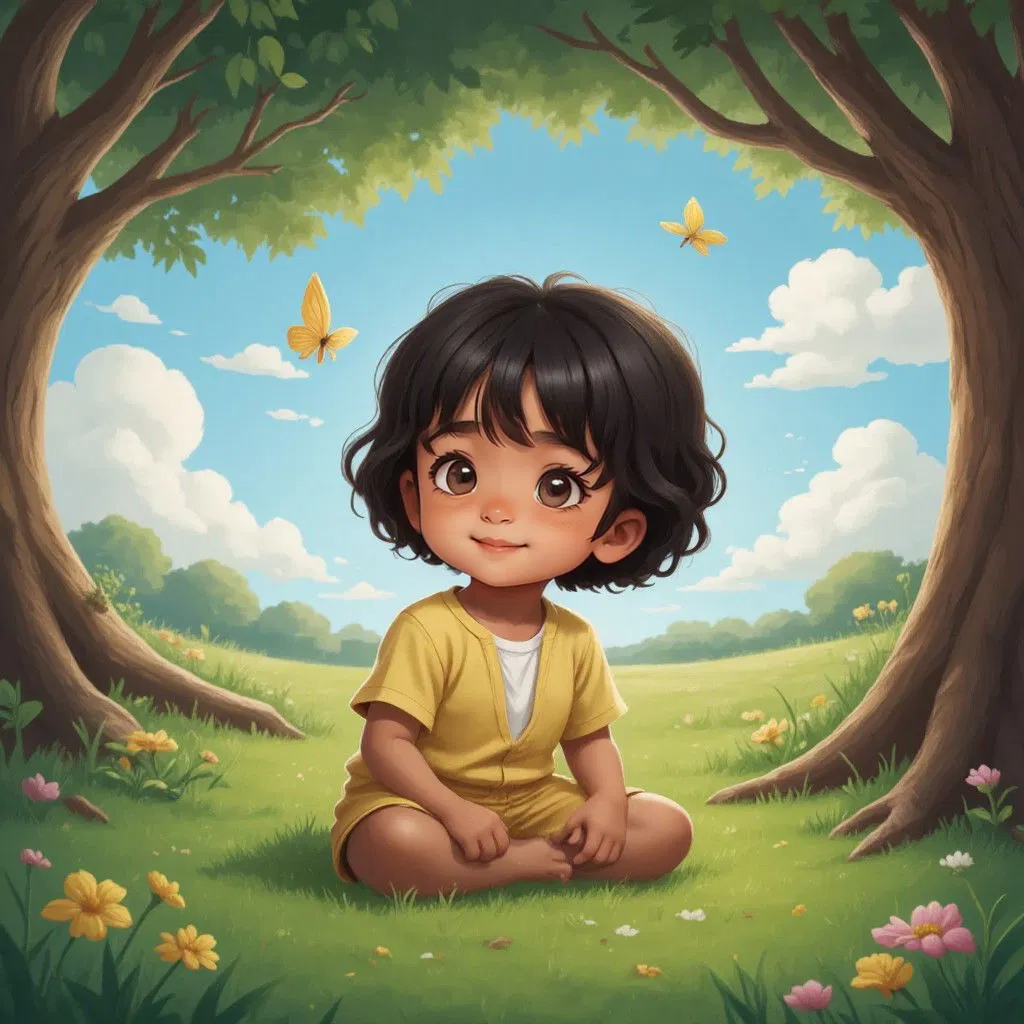
**Book Description: "Ekaa Can Be Anything"** "Ekaa Can Be Anything" is a heartwarming and imaginative storybook that inspires young readers to dream big and believe in themselves. Written by Anjali Paliwal, this delightful book is a journey of possibilities, celebrating the boundless potential of every child. The story follows the curious and adventurous Ekaa, a little girl with a big imagination. As Ekaa wonders what she might become when she grows up, the world around her comes alive with exciting ideas. Each page introduces a new dream profession, from diving deep as a scuba diver to soaring high as a pilot, from painting vibrant masterpieces as an artist to exploring galaxies as an astronaut. With vivid, engaging illustrations and simple, lyrical text, the book captures Ekaa in a variety of exciting roles: a chef creating delicious treats, a teacher inspiring others to learn, a scientist making groundbreaking discoveries, and even a writer weaving magical stories. Every page bursts with color and joy, sparking curiosity and creativity in young minds. At its heart, "Ekaa Can Be Anything" delivers an empowering message: you can achieve anything you set your mind to, as long as you believe in yourself. Through Ekaa’s journey, children are encouraged to explore their interests, embrace their uniqueness, and dream without limits. Perfect for toddlers and young children, this story is ideal for bedtime reading or as a gift for special occasions. Its inspiring message and captivating illustrations make it a book that children will cherish for years to come. With a special dedication to the author's niece, Ekaa, the book celebrates the magic of childhood and the endless possibilities of the future. "Ekaa Can Be Anything" is more than a story; it’s a reminder to every child that the world is theirs to explore, create, and shape. **Page Count:** 15 pages **Format:** Hardcover or Paperback **Ideal Age Range:** 2–5 years

Robyn is the best mom in the world. She has two Daughters Gabi and Sienna. She is also very athletic. She loves baking and spending time with her daughters. She is studing very hard to become a lawyer. Her husbands name is nick
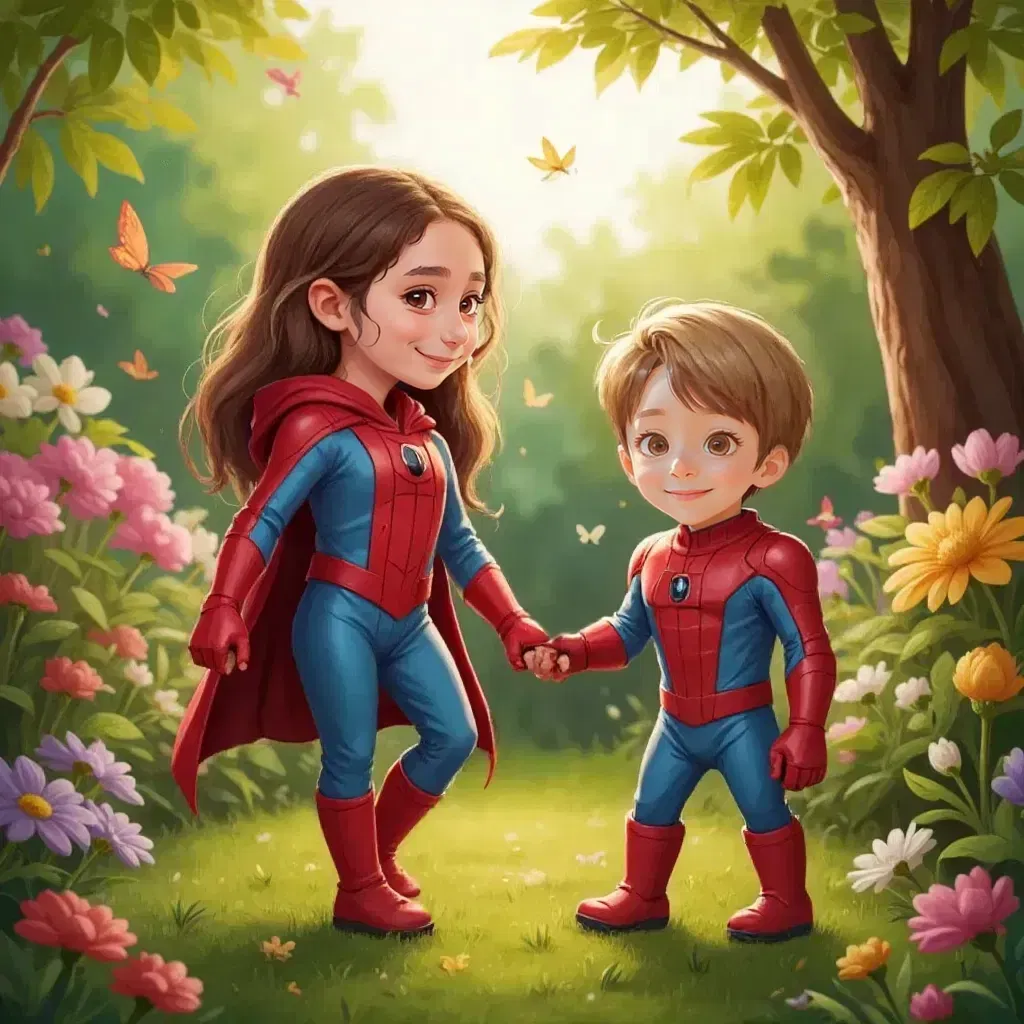
الروبوت روبو يوضح لسيلا وتيم تعريف الذكاء الاصطناعي وبعض من مجالاته مثل استخدامنا له مثل المساعدين الصوتيين في الاجهزة المحمولة واستخدامه في مجال التعليم والرعاية الصحية واللعب

Lily, a young girl in a cheerful village, lives with her loving family—her parents, big brother Tim, and baby sister Mia. One morning, she notices her mother cleaning the house, her father chopping wood, and Tim washing dishes. Curious and eager to help, Lily asks if she can join in. Her father warmly encourages her, explaining that every helping hand makes work lighter. Lily excitedly sweeps the floor like her mother and assists Tim in drying the dishes. As she works, she sings a cheerful song about teamwork. Later, she notices her father carrying heavy buckets of water from the well and insists on helping by carrying a small pail. Through her actions, Lily realizes that helping at home can be fun and rewarding. At the end of the day, the family gathers for a meal, and Lily’s parents express their appreciation for her efforts. Filled with pride, she declares that she wants to help every day. Her father reminds her that families have responsibilities, and working together makes everything easier and more enjoyable. As Lily drifts off to sleep, she dreams of new ways to help her family, knowing that even small contributions can make a big difference. Moral of the Story: Helping at home fosters teamwork, responsibility, and happiness within a family. When everyone contributes, tasks become lighter, and the home becomes a place of love and cooperation.
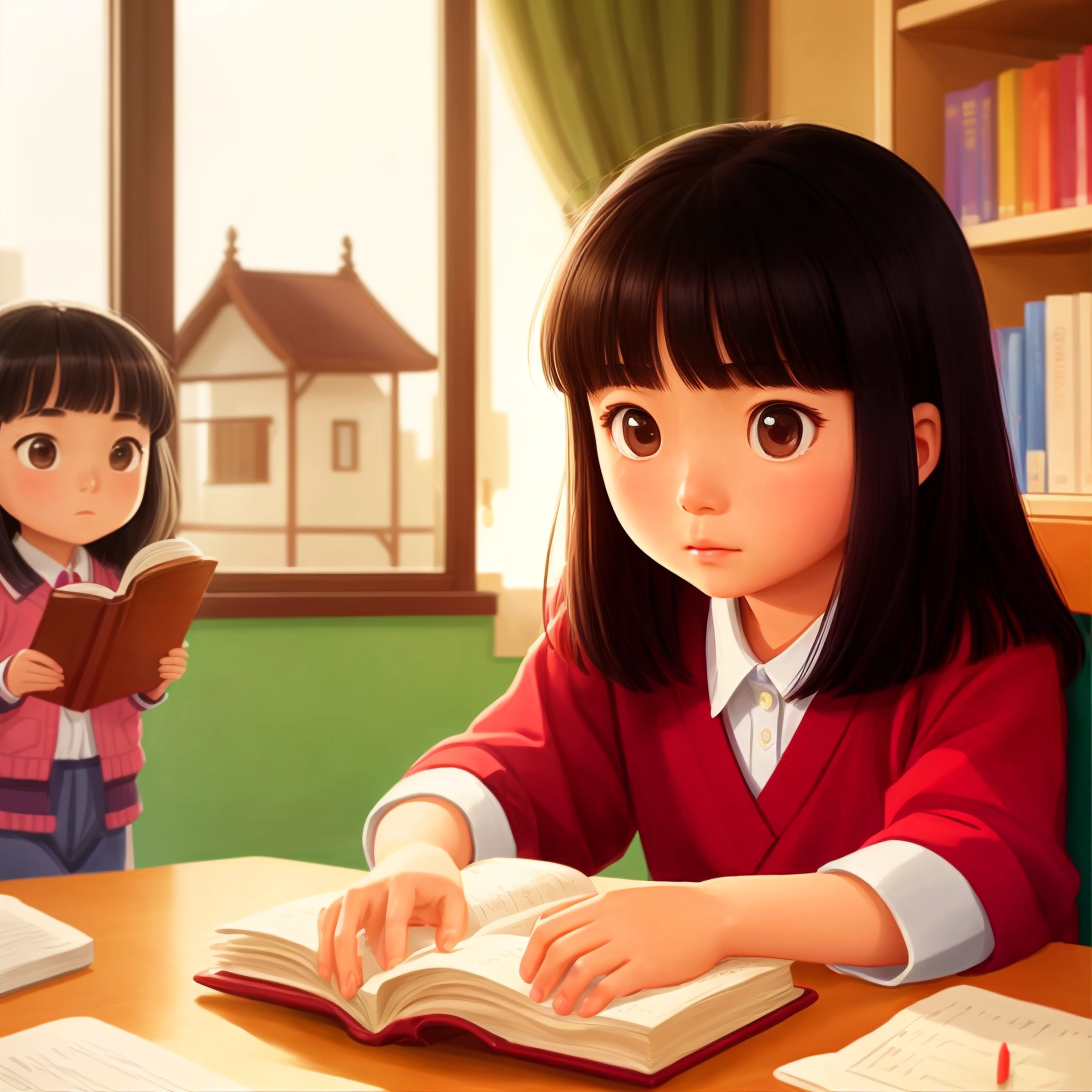
1. Today is Saturday. 2. I want to relax at home. 3. But I have an exam at school on Monday. 4. So, I'll study today. 5. My younger sister woke up. 6. She's so noisy that I can't study.

baby girl with blue eys and blonde hair, 15 months old, big smile
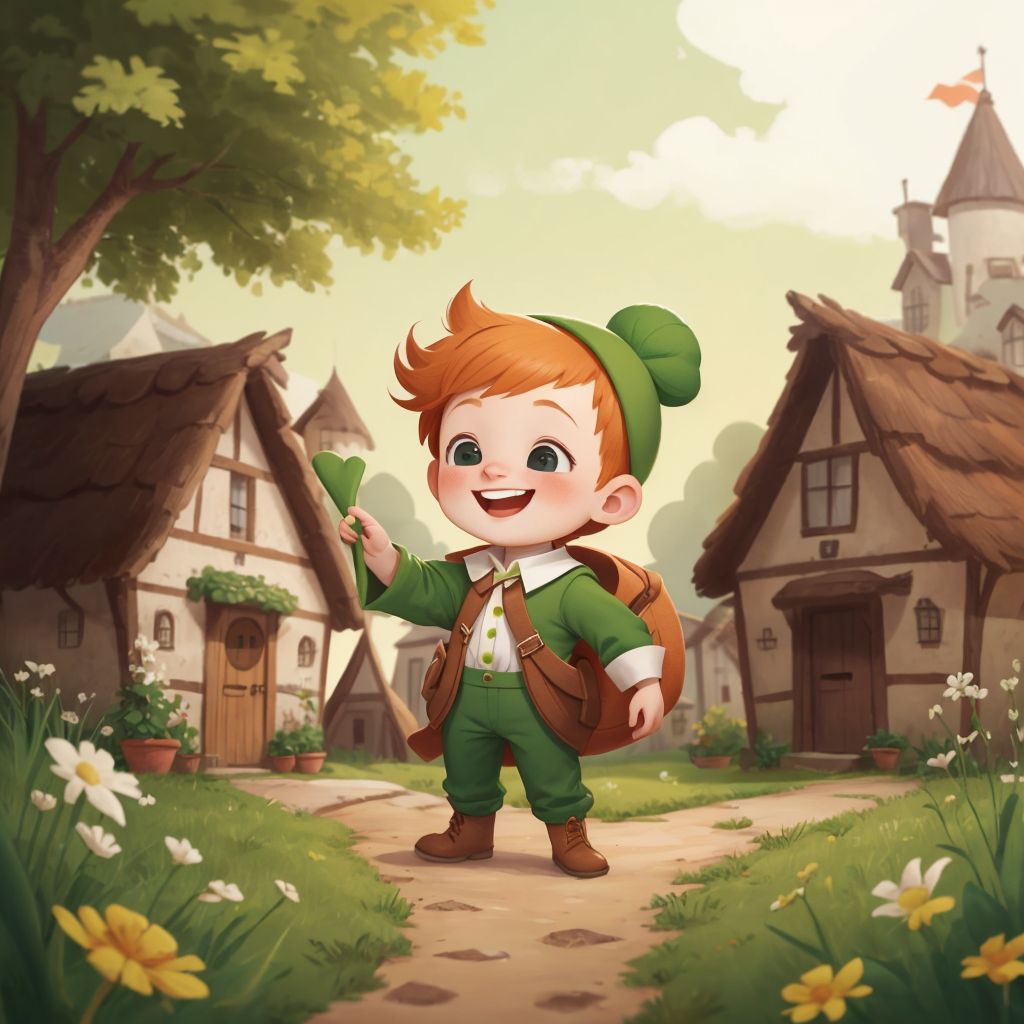
A story about Liam the Lepruachaun who goes on an adventure in the acro room

dressed as for a battle with shields, lances and helmets
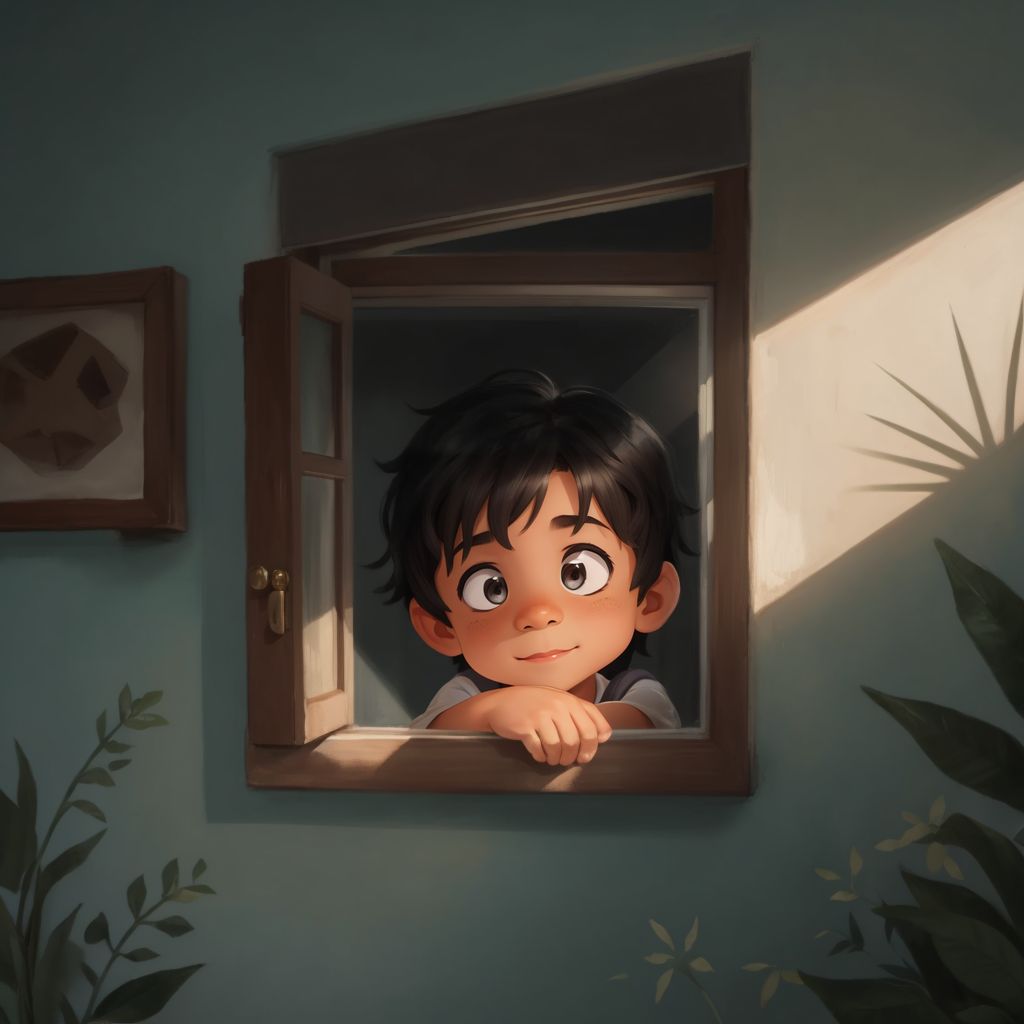
1. boy who is black with curly hair 2.Boy is scared so he is praying 3. He feels strong and courageous after he prays