

 Start Read
 Recommend

Pilly and her mum, Emily, share an unbreakable bond as they navigate their new life in Spain. Emily's warm smile and nurturing nature make her not only a mother but also Pilly's closest confidante and ally. Together, they explore the vibrant streets of Spain, savoring every moment of discovery and adventure. Emily's guidance and encouragement empower Pilly to embrace her curiosity and creativity, while Pilly's infectious enthusiasm brings joy and laughter to their shared experiences. Through their laughter, tears, and triumphs, Pilly and Emily's bond grows stronger, a testament to the enduring power of love and family.
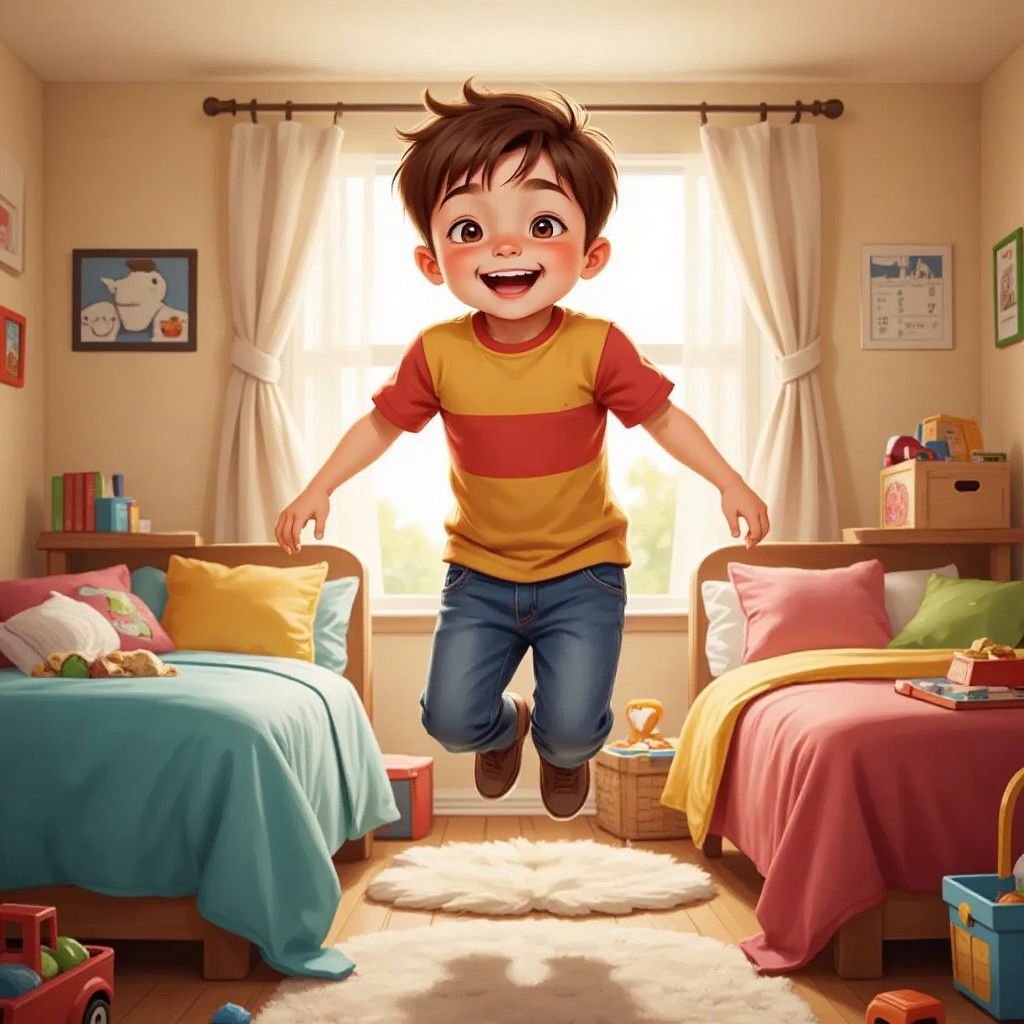
Cayden with his mum and dad make pancakes with fruit and a glass of milk he is black
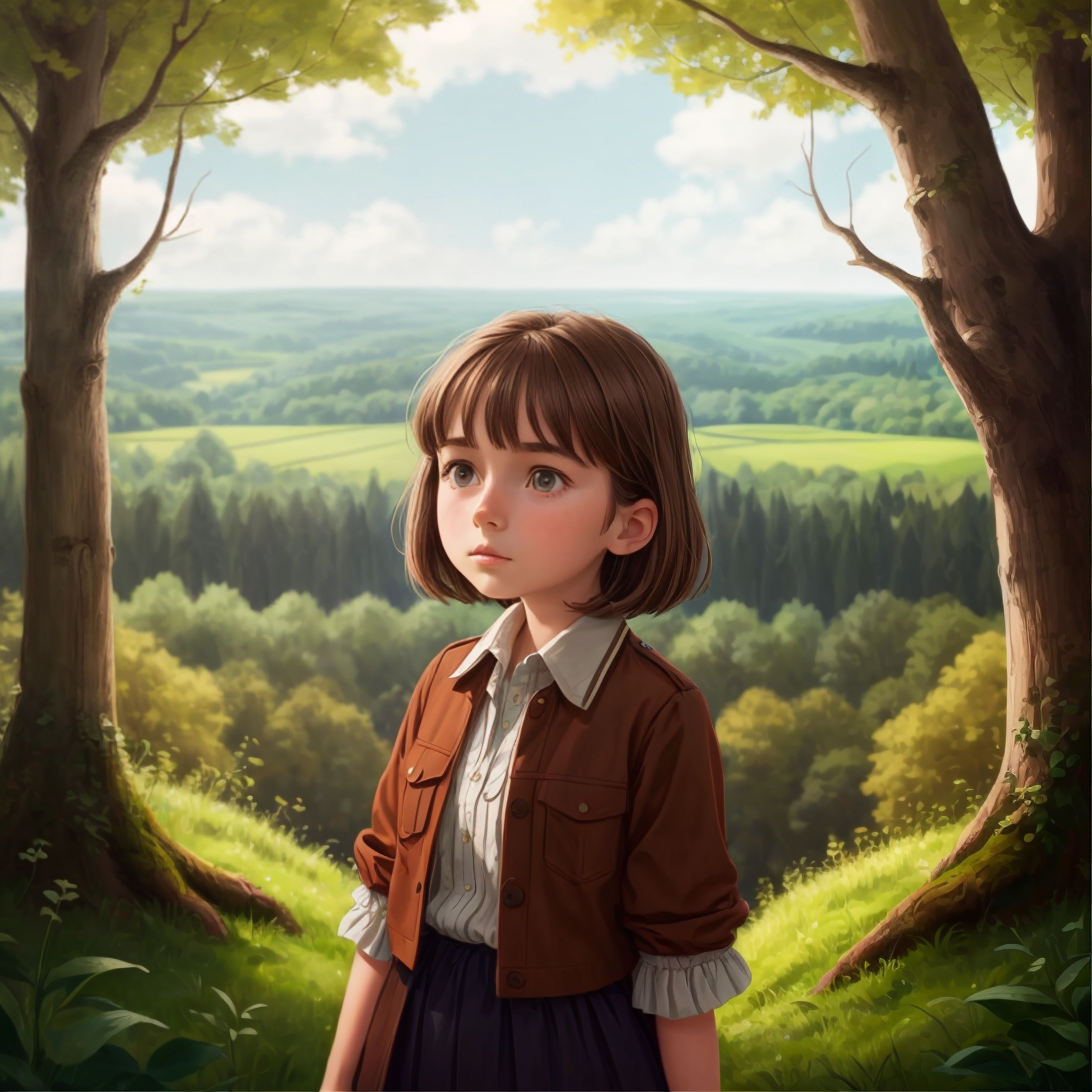
Daisy on the run
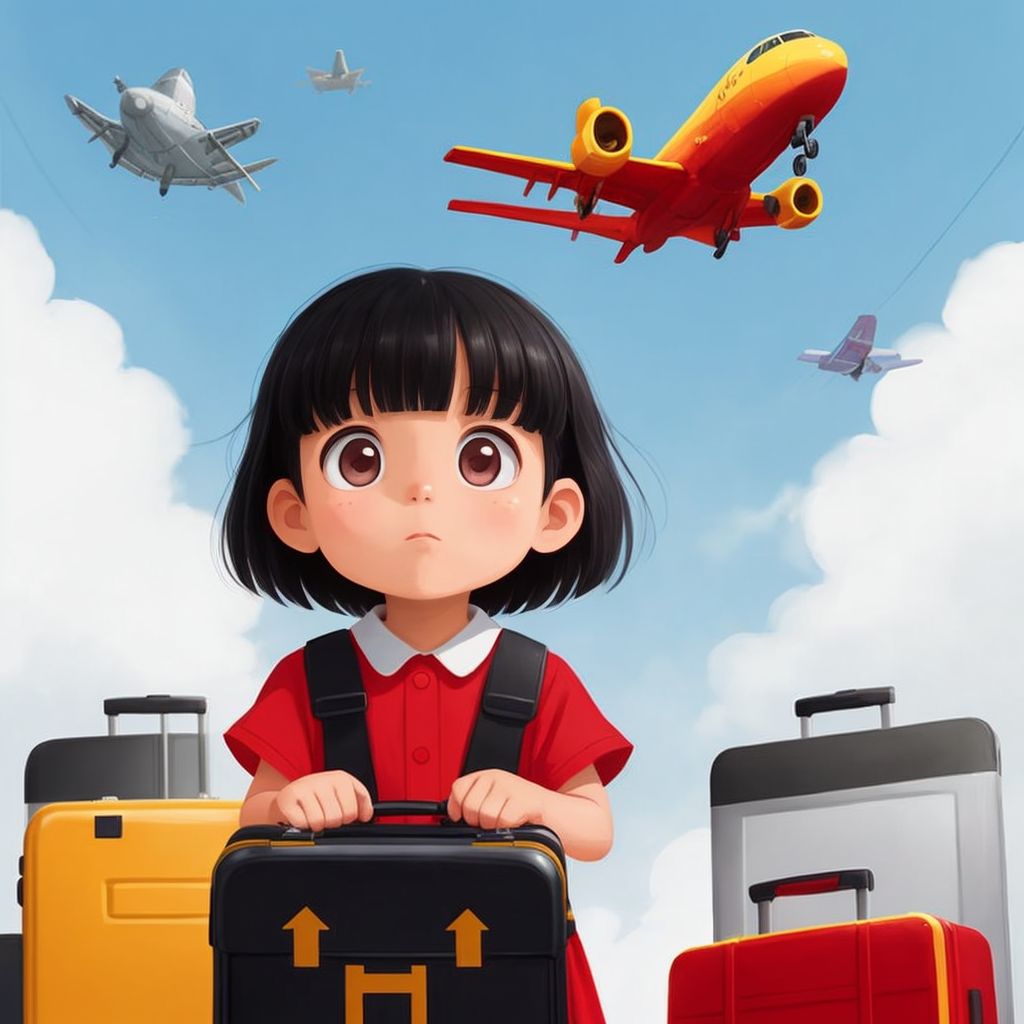
A Young girl named Sabrina moved from Germany to Singapore and grew up to be a preschool teacher
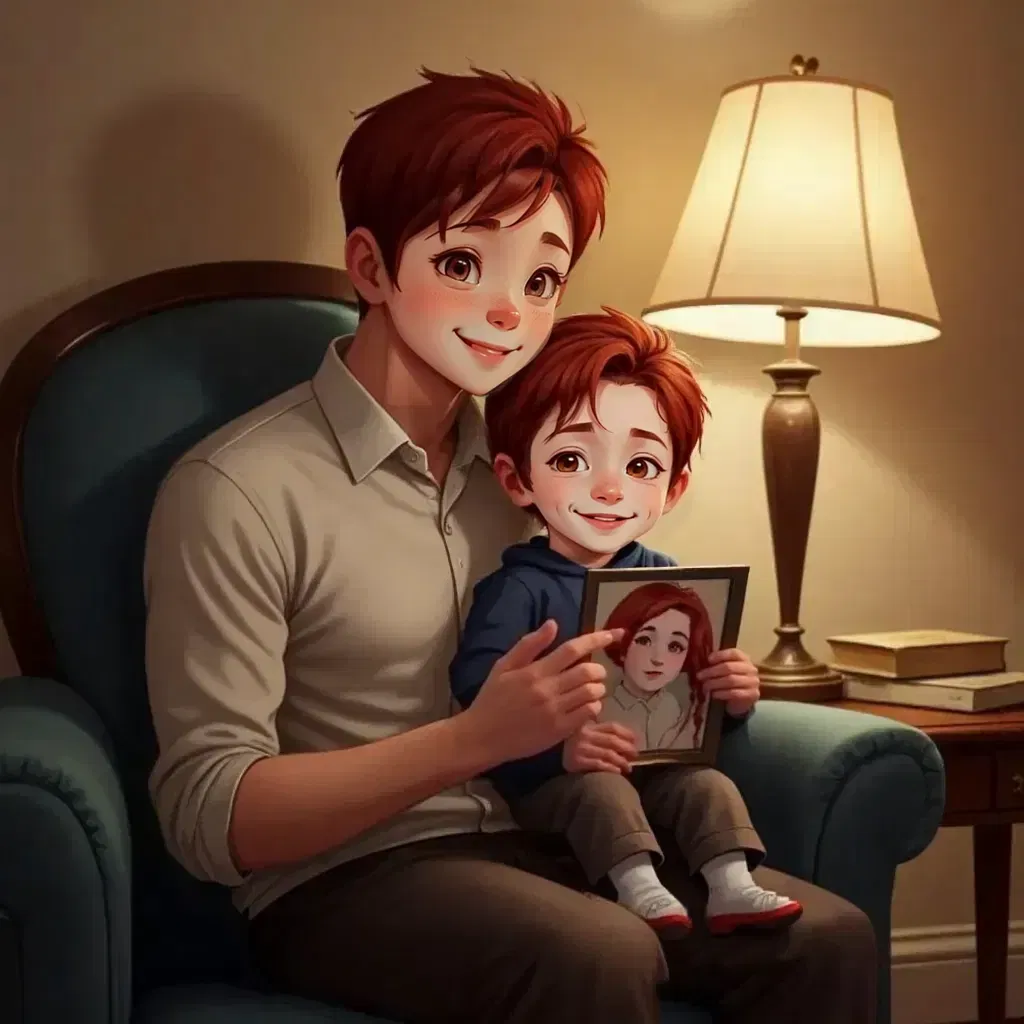
Once upon a time, there was a little boy named Freddie who loved listening to stories about his Nanny. Even though Freddie never got to see her in person, he knew that Nanny was always looking out for him from up high in the sky. Nanny was a very special lady. She had a big, bright smile and a heart full of love. She lit up every room she entered, and everyone loved her because she was strong, brave, and always happy. Nanny loved her own son, your dad, with all her heart, and he always remembered her gentle hugs and fun laughter. Every night, Freddie would look out his window at the twinkling stars. “That star is Nanny,” he would whisper, imagining her smiling down at him. It made him feel safe knowing that she was watching over him, cheering him on as he played, learned, and grew. Sometimes, when the wind blew softly through the trees, it felt just like a warm, gentle hug from Nanny. Freddie knew she was thinking about him, loving him, and always keeping him safe—even on days when he felt a little lonely. Freddie’s heart was full of happy memories and the warm feeling of Nanny’s love. Whether he was playing with his friends, reading a favorite book, or snuggling under his blanket at bedtime, he knew that Nanny’s love was all around him, just like the twinkling stars in the night sky. And so, every day, Freddie carried Nanny’s loving smile in his heart. He knew that no matter where he went, she was always there, watching over him and loving him forever
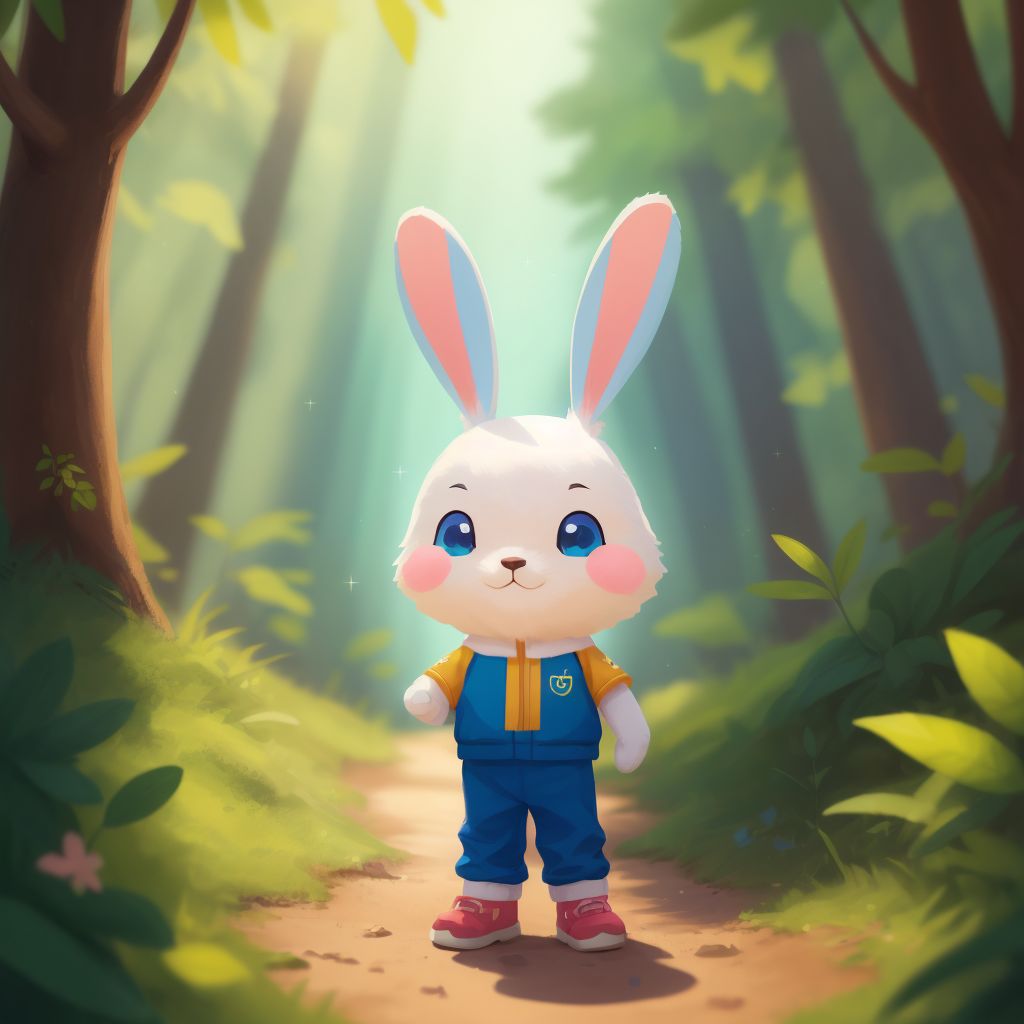
Once upon a time, in a bustling forest filled with vibrant flowers and towering trees, there lived a curious little bunny named Benny
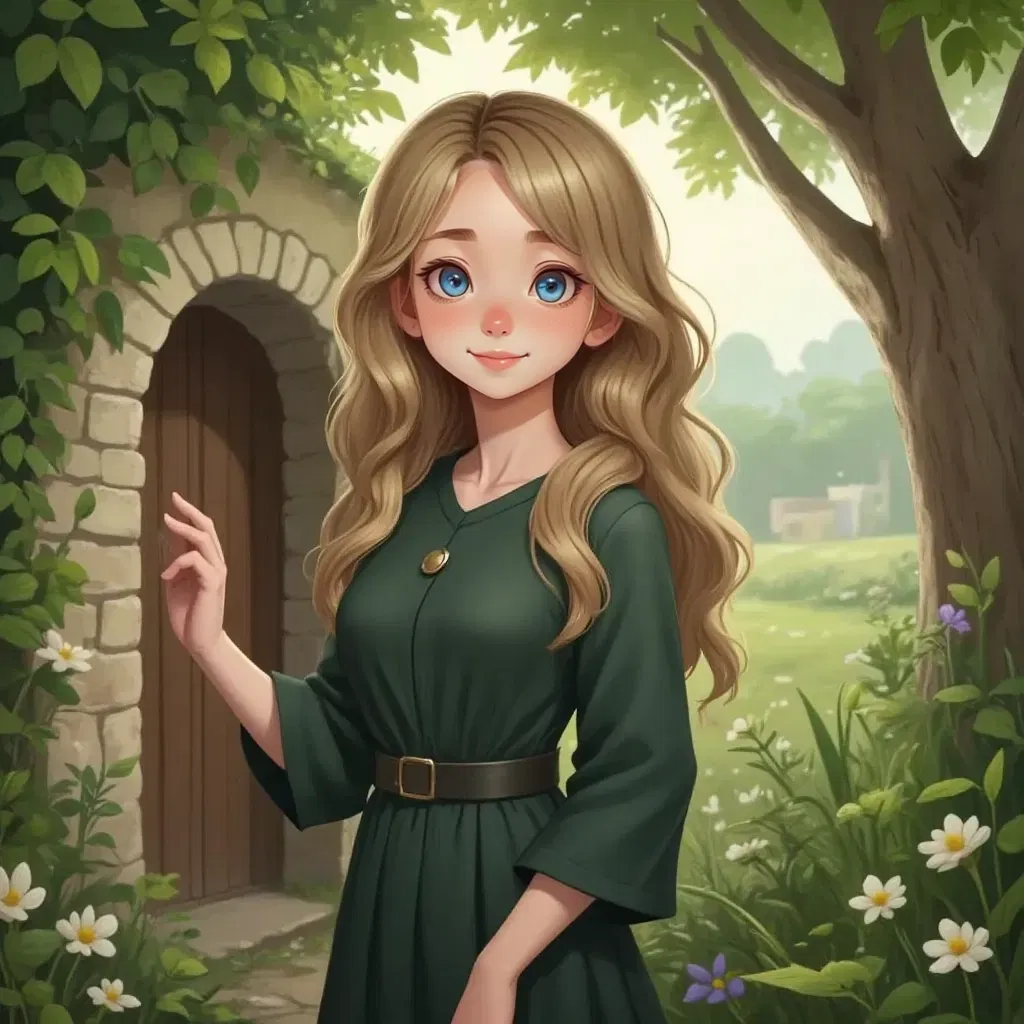
A hidden garden holds a magical secret that only a curious child can uncover.
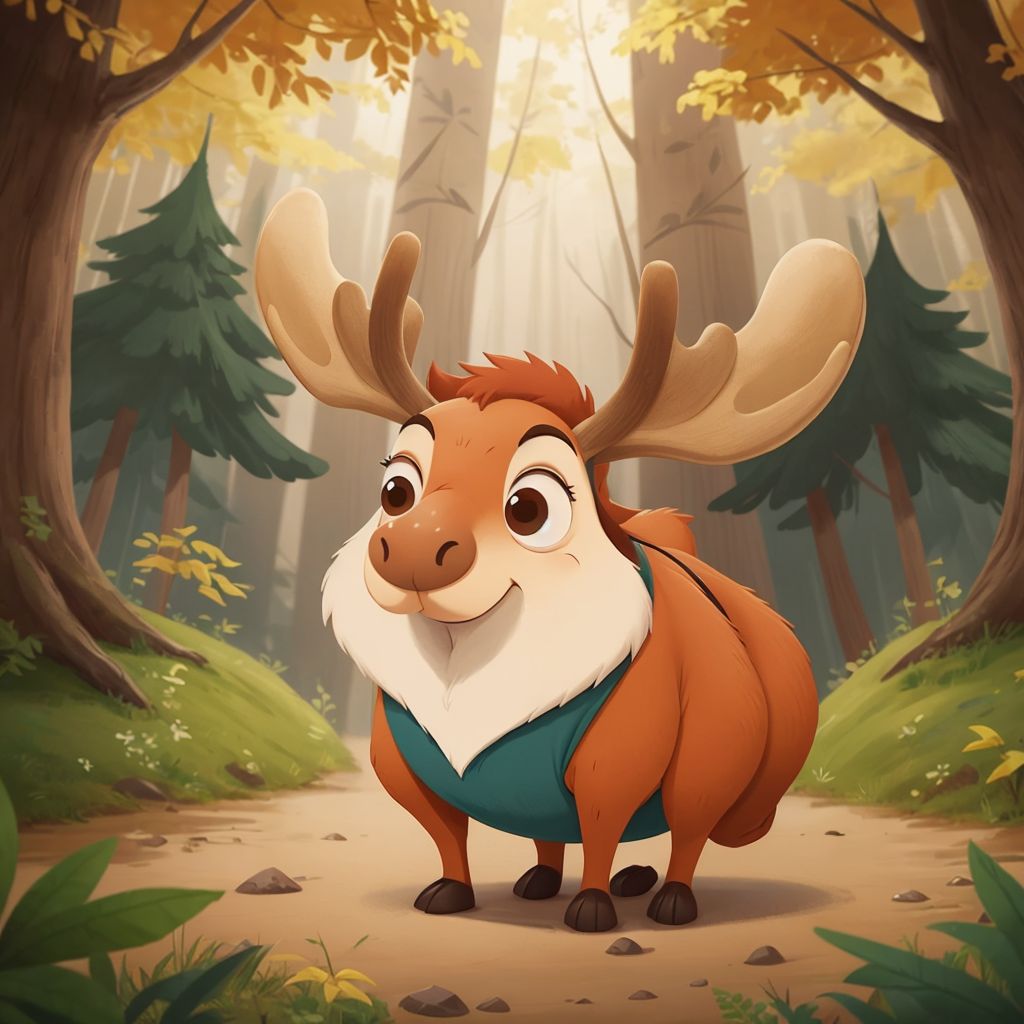
very year, the animals of the Great Forest come together for the Forest Games, a fun-filled day of friendly competitions—racing, jumping, climbing, and balancing events that celebrate each animal’s unique abilities. Milo the Moose has always loved watching the games, but this year, he wants to participate. There’s just one problem: Milo can’t run or jump like the others. His legs aren’t as strong, and he moves more slowly than his friends. Some animals worry that the games might be too difficult for him, but Milo is determined to find a way to compete in his own way. With the help of his inventive raccoon friend, Hazel, Milo modifies his walking cart with new wheels and a gentle push mechanism, allowing him to move more easily. As the games begin, Milo discovers that while he may not be the fastest, he has other strengths—he’s great at balancing, solving tricky obstacles, and encouraging others when they feel discouraged. During the final event, a team relay, one of the fastest competitors, Benny the Rabbit, trips and twists his ankle. The whole team is at risk of losing—until Milo steps in. Using his cart, he carries Benny across the finish line, proving that winning isn’t about being the fastest or the strongest—it’s about teamwork, kindness, and determination. At the end of the games, the animals cheer for Milo, not because he won the most events, but because he showed everyone that true strength comes from never giving up. Inspired by him, the animals decide that next year’s Forest Games will include new events that celebrate different kinds of abilities, ensuring that everyone has a chance to shine.
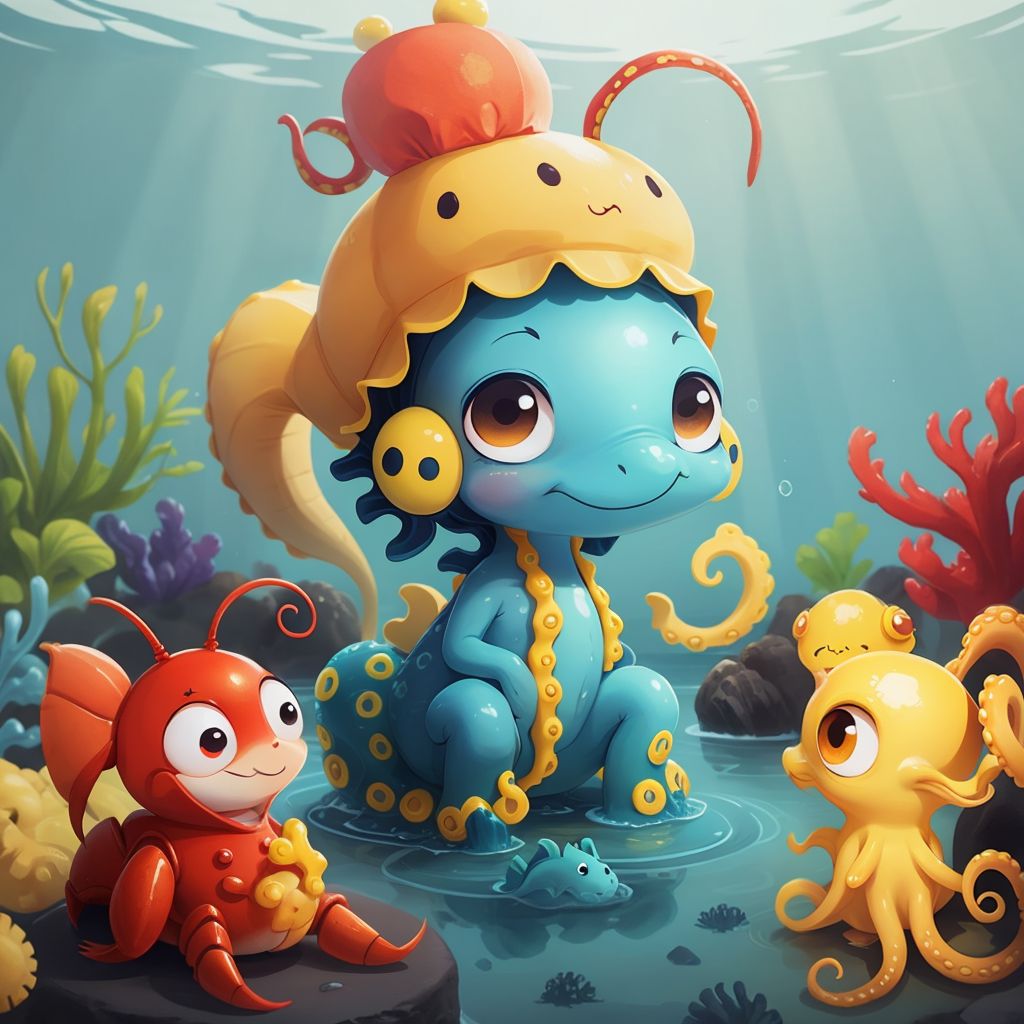
Ahoy, young sailors! Embark on an enchanting journey to Friendship Reef, a vibrant underwater world where the gentle waves of friendship and the winds of collaboration guide our cheerful crew – Sammy the Sociable Seahorse, Lulu the Listener Lobster, and Oscar the Open-minded Octopus. Together, they discover the secrets of building, maintaining, and growing relationships. In this delightful story, our three friends live harmoniously in a cove adorned with colorful coral and teeming with marine life. Each character contributes their unique social skills to create a thriving community. One sunny day, Sammy has a brilliant idea to organize a grand underwater festival to celebrate friendship and learn more about each other. Join Sammy, Lulu, and Oscar as they invite their friends to share talents and ideas, ensuring that every voice is heard and embracing the diversity of ideas. As the festival approaches, the anticipation in Friendship Reef grows, and the vibrant coral decorations sparkle. The sounds of laughter and music fill the community. During the festival, the trio notices something magical: people are connecting, sharing stories, and discovering common interests. The bonds of friendship grow stronger with each moment. As the festival draws to a close, Sammy poses a thoughtful question to his friends, sparking reflections on how they organized a successful event and what they learned about relationships. The story emphasizes the importance of active listening, open-mindedness, and collaboration in building a harmonious community. Readers are encouraged to reflect on the collaborative journey of friendship, where each individual's unique strengths contribute to a thriving community.
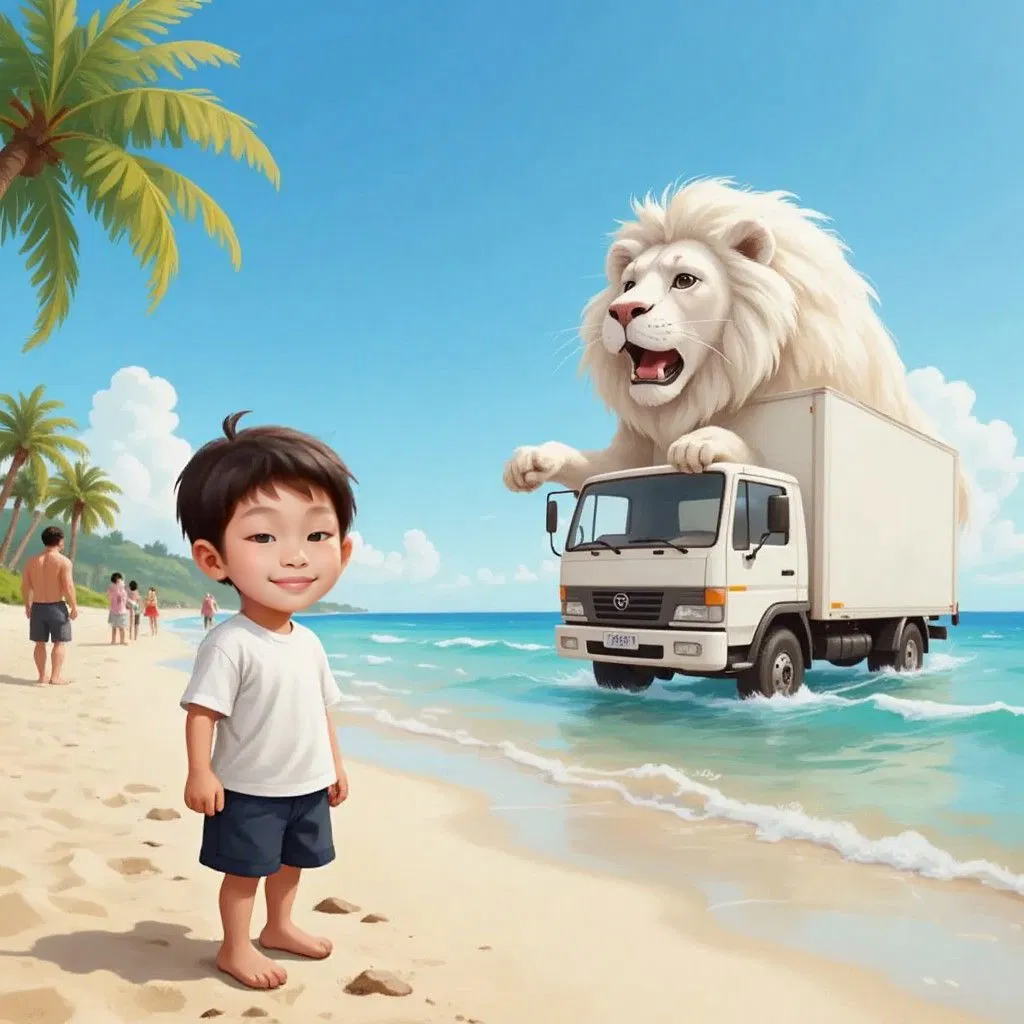
Seth, a curious and adventurous 9-year-old boy from Hong Kong, has an extraordinary companion: Peter, a talking white lion. One sunny day on the beach, Seth is startled to see Peter driving a white truck with a mysterious machine in the back. Peter explains the machine’s origin, recounting a tale of Iron Man, a legendary superhero and engineer who built it to travel anywhere and help people across the universe. Inspired, Seth expresses his desire to find Iron Man, whom he recently read about living on the sun with the Avengers. Together, Seth and Peter climb into the machine, chanting, “Let’s go to the sun!” Moments later, they arrive at the scorching celestial body, where they are greeted by the Fantastic Four. Mr. Fantastic escorts them to the Avengers’ Superhero Tower, where Iron Man and Captain America await. Iron Man reveals a dire situation: Venos, a villainous alien in golden armor wielding a spear, is attacking the universe. Only Seth and Peter, with the support of the superheroes, can stop him. Spider-Man bursts in to warn that Venos and his army are already attacking the sun. The superheroes transfer their powers to Seth, granting him Hulk’s strength, Flash’s speed, Iron Man’s armor, Captain America’s shield, and Spider-Man’s agility. As Peter summons enormous white lions with his mighty roar, the heroes battle Venos’s army. Meanwhile, Seth confronts Venos alone but struggles against his immense power. In a climactic battle, Seth and the superheroes join forces, unleashing their combined might to defeat Venos, ultimately melting him into oblivion. Grateful for their help, Seth makes one request: for the superheroes to return to Earth and maintain peace. They agree, and together, they return to Earth, living happily and ensuring harmony for all. This whimsical tale of bravery, teamwork, and adventure showcases the power of unity and imagination, proving that even the smallest heroes can achieve the greatest victories.

1. Biting is not okay to do. 2. Biting makes your teacher and friends sad. 3. Biting can hurt others. 4. Instead of biting we can use our words or ask for help

In the presence of love, fear fades like shadows at dawn.
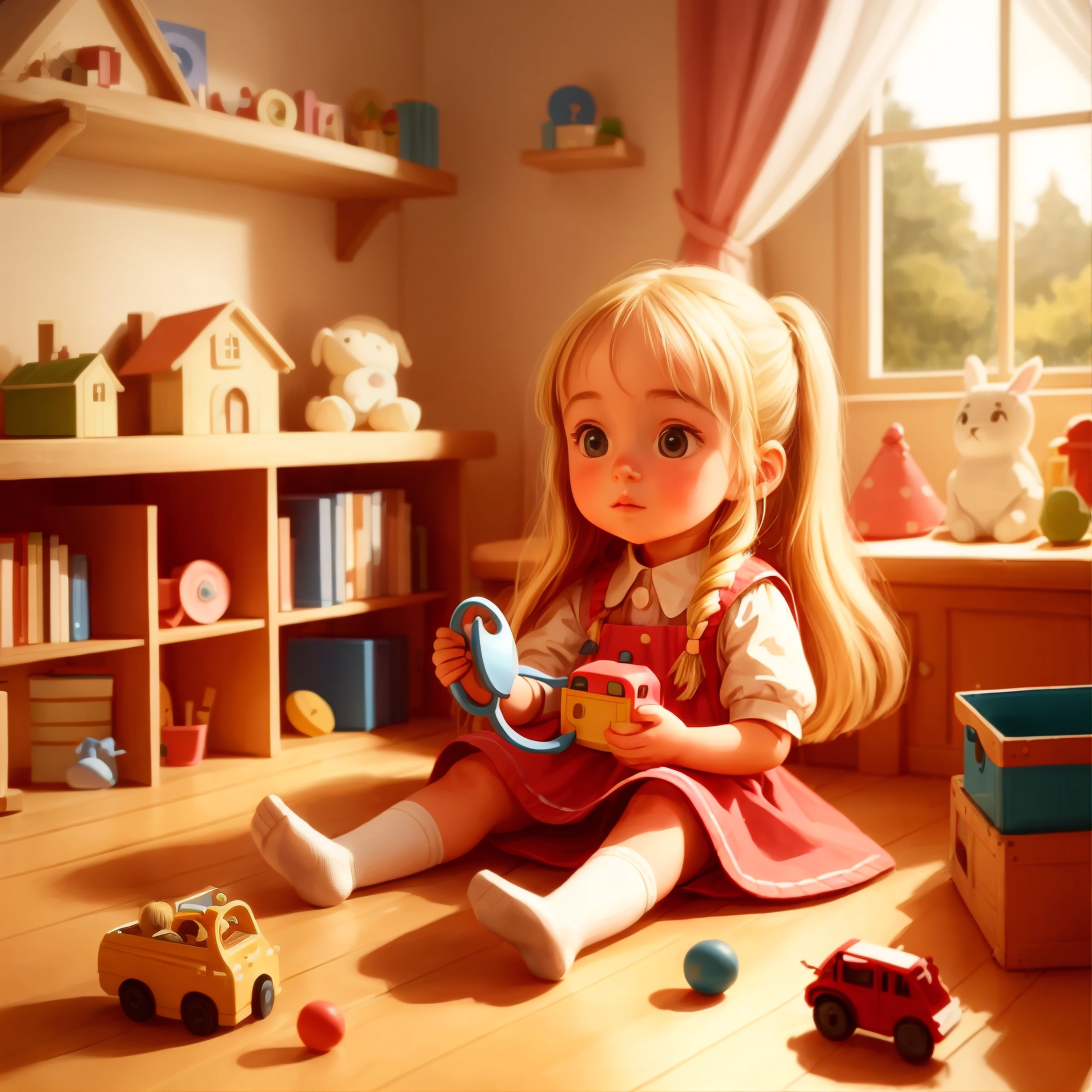
The girl discovers that her parents are going to be divorced and she is disappointed but then she discovers that they are more happy at the finish.
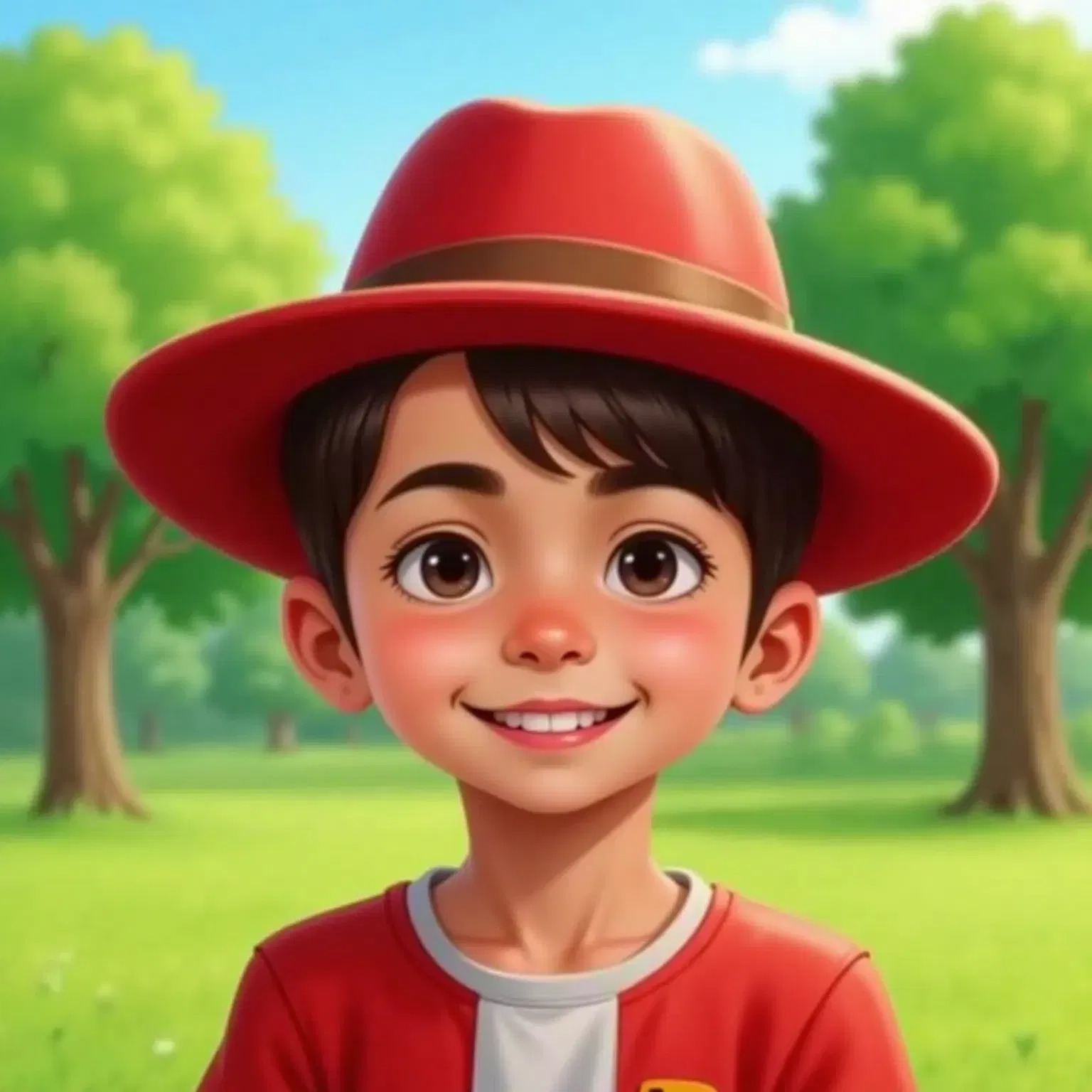
Ben had a big red hat. He got it from his dad. Ben wore the hat on a hot, sunny day. Ben ran to the park. He met his pal, Sam. Sam had a pet dog, Pip. "I like your big red hat!" said Sam. "Thanks!" said Ben. "Do you want to try it?" Sam put on the hat. "It is too big!" he said. Pip barked and ran in a zig-zag. Then, a big gust of wind came! It took the hat off Sam’s head. "Oh no!" said Ben. "My hat!" The hat went up, up, up. Then it went down, down, down. It landed in a tree. "How can we get it?" asked Sam. Pip jumped and jumped, but he could not get the hat. "I have an idea!" said Ben. He got a big stick. He poked the hat. Plop! The hat fell down. Ben put it back on his head. "Hooray!" said Sam. "The big red hat is back!" Ben, Sam, and Pip ran and had fun in the sun.

Three brothers called Mick Singh, Dan Singh and Si Singh. Mick Singh is a DJ. Dan Singh, performers on stage. Si Singh goes to the gym regularly.
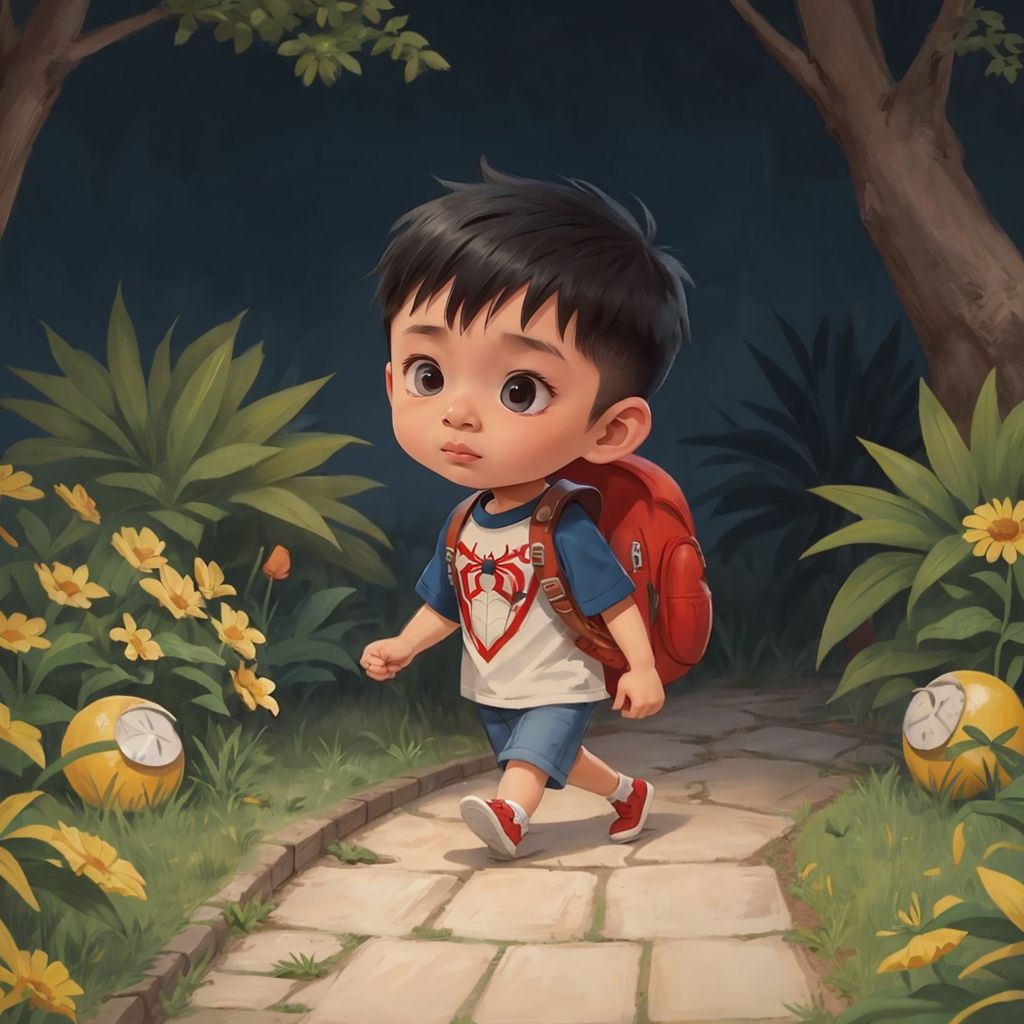
Parky is 4 years old, He loves Minions and spider man. He also lover adventure
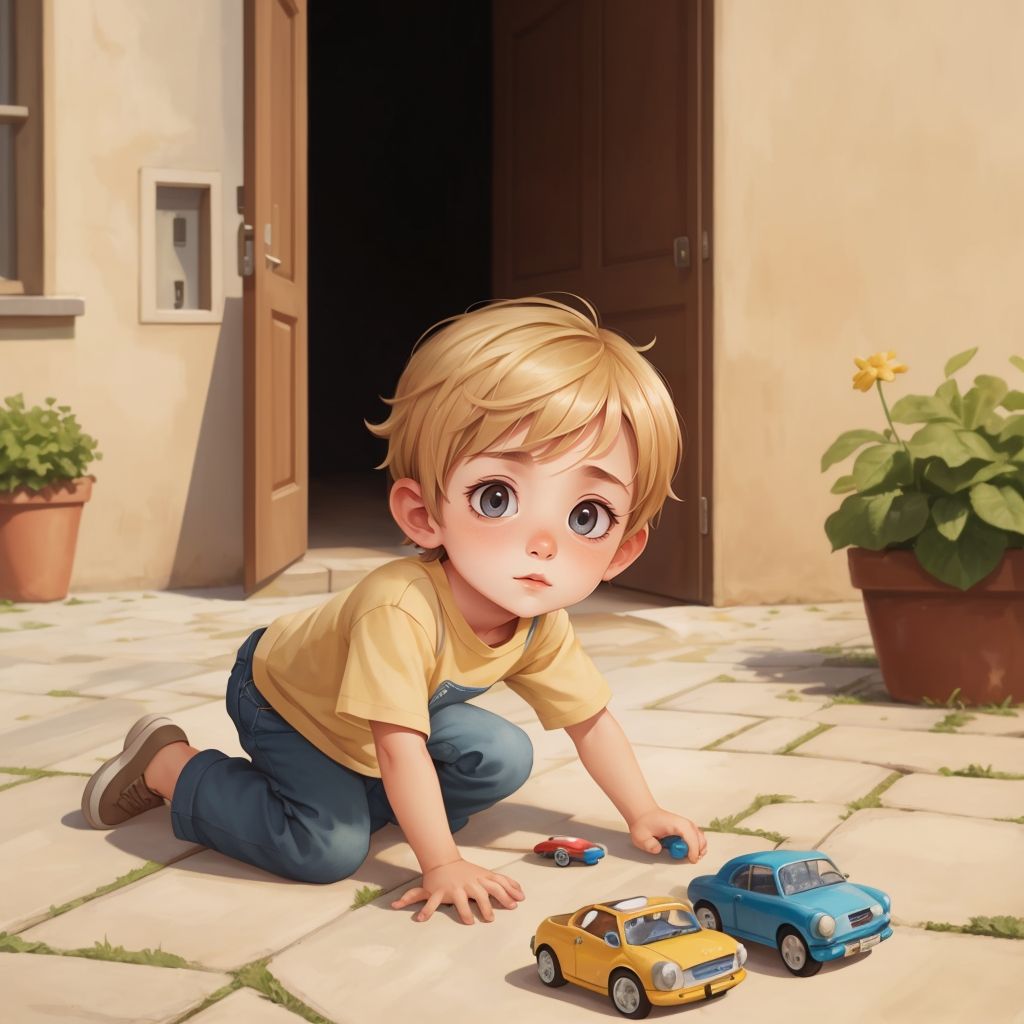
A four year old loves to play with his parents, he likes cars, dinosaurs, blocks, coloring and playing outside But everytime he tells his dad to come play with him, he does but after a bit he starts using the phone "Daddy put the phone down and play with me" He goes to his mom and says the same thing "Mommy put the phone down and play with me" This happens time after time and parents dont realize how important it is to share time with their kids without using technology.
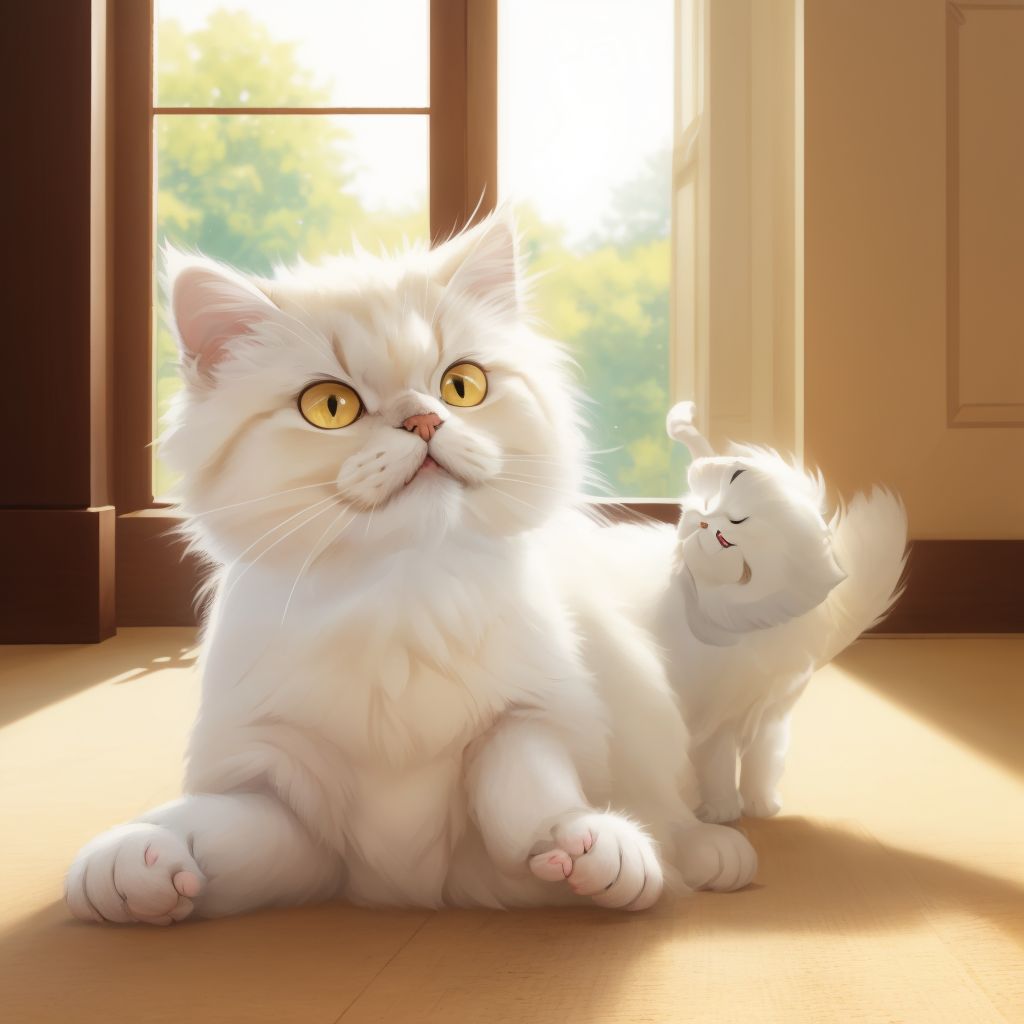
"Ruby's Backyard Adventures" is a heartwarming children's book following Ruby, a curious white cat with golden eyes, as she explores her backyard. From chasing chipmunks to sniffing flowers and meeting a friendly frog named Herman, Ruby's day is filled with wonder and excitement. With vivid illustrations and engaging storytelling, this tale celebrates friendship, curiosity, and the joy of exploring nature.
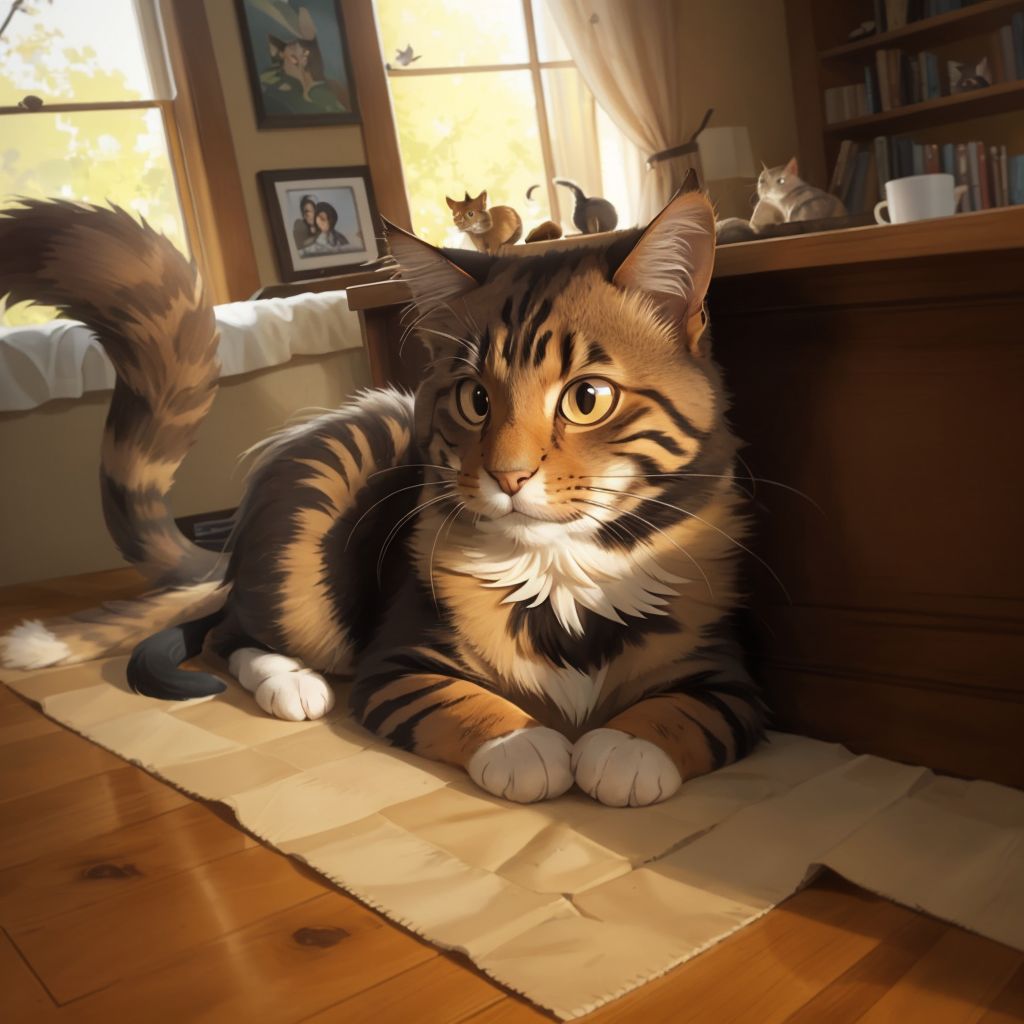
What'z that? What do I hear? I hear tweeting sounds. What'z That? My eyes are barely opened. I slowly crawl following the sounds. I feel something under my feet. What'z that? What do I feel? Something strange catches my eye. Beautiful colors on something that flies. What'z that?
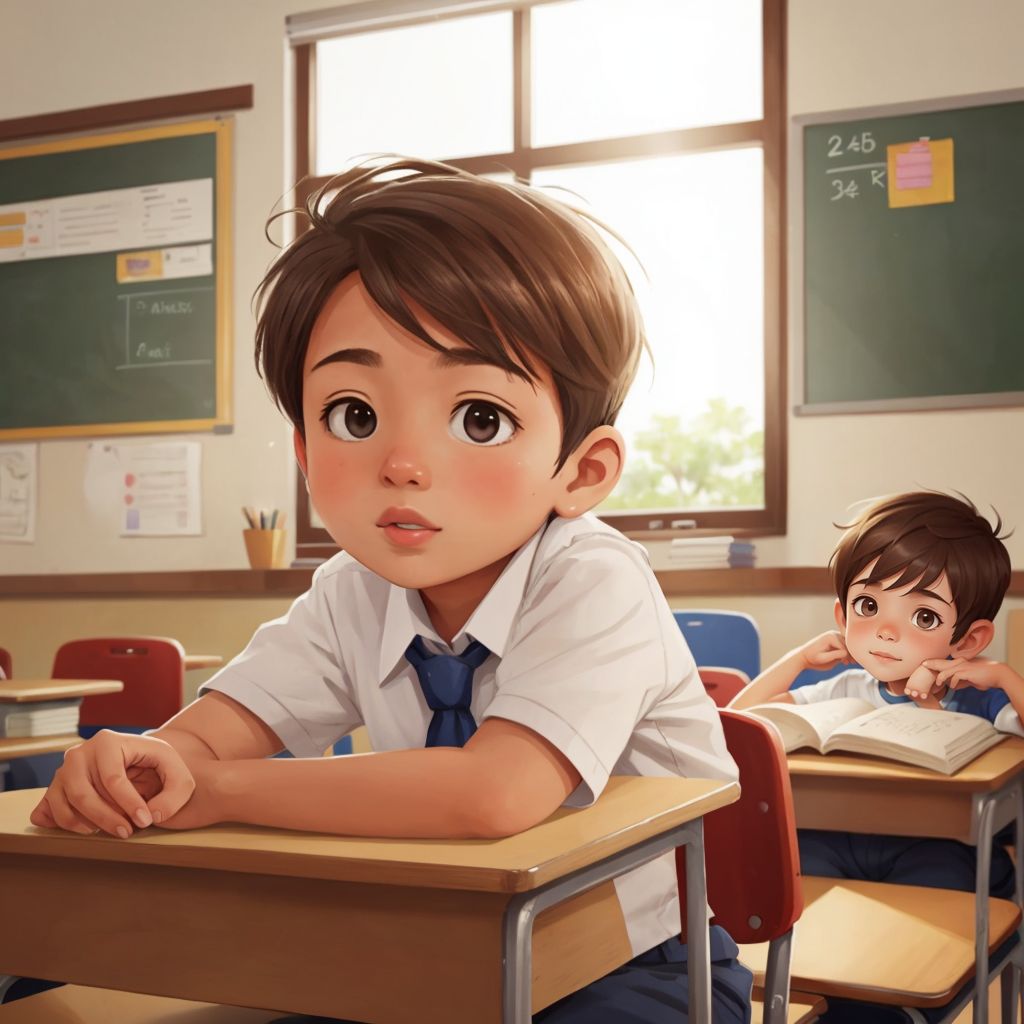
1.There's a new student 2. He feels alone 3. Lily knows what it feels like to feel alone 4. She invites him to play with her