
 Start Read
 Recommend
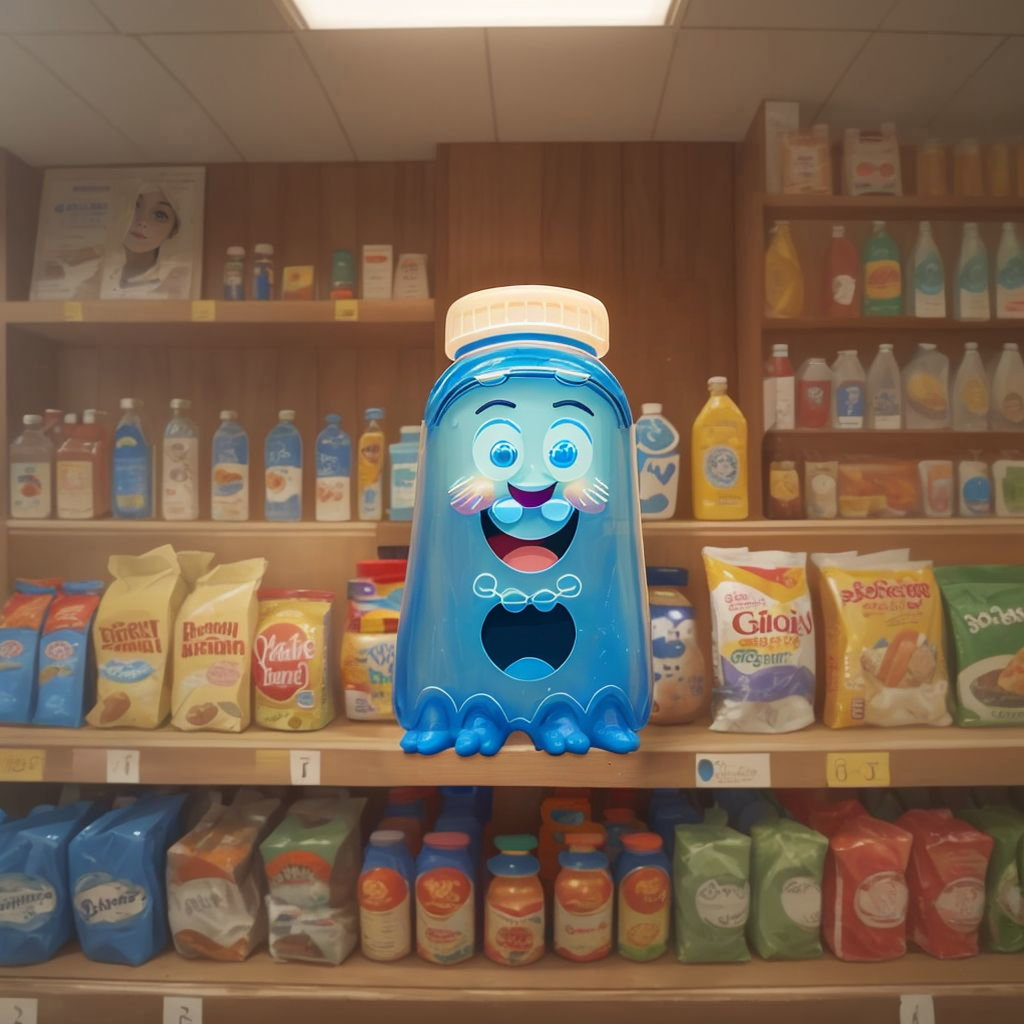
Exposition: Buddy the Bottle was a water bottle waiting to be bought from a grocery store. He has never seen the outside world. Then one day a 21 year old man (Jake) buys Buddy when Jake is going to the beach. Problem: Jake drinks Buddy and leaves him on the beach. As he looks around the shore a wave sweeps him into the ocean. Rising Action: Buddy, excited to explore the world, looks out into the vast ocean as he floats, drifting away from the shore. Suddenly Buddy sees something up a ahead that slowly drifting towards him. Climax: Buddy approaches it and realizes that its another water bottle(Bob). Buddy is very excited to meet a new person, however Bob is very gloomy and tries explaining how it's miserable it is on the ocean. As they're talking a sea turtle approaches form behind, and takes Bob away. Falling action: Buddy is sad that he is lonely, and thinks about what Bob was saying. Just before he loses all hope he starts to see a boat approaching. Conclusion: He is suddenly picked out of the ocean by a nice lady (Jean) who picks trash out of the ocean every Saturday. Then he is put into a pile with more trash. Then he hears a familiar voice... Bob! Bob explains how the girl saved him, and the sea turtle. Buddy and Bob finally got recycled. The End Moral: Throw away your trash, don't liter and recycle! Name: Buddy the Bottle Appearance Plastic Blue water bottle Strengths: Optimism Weaknesses: Trash, small, helpless Big Facts: He's VERY optimistic, friendly,talks a lot, big personality. Character Traits: Optimistic,honest,respectfully, cooperative, enthusiastic, flexible,calm,compassionate, and patient Where do they live: Los Angeles, California
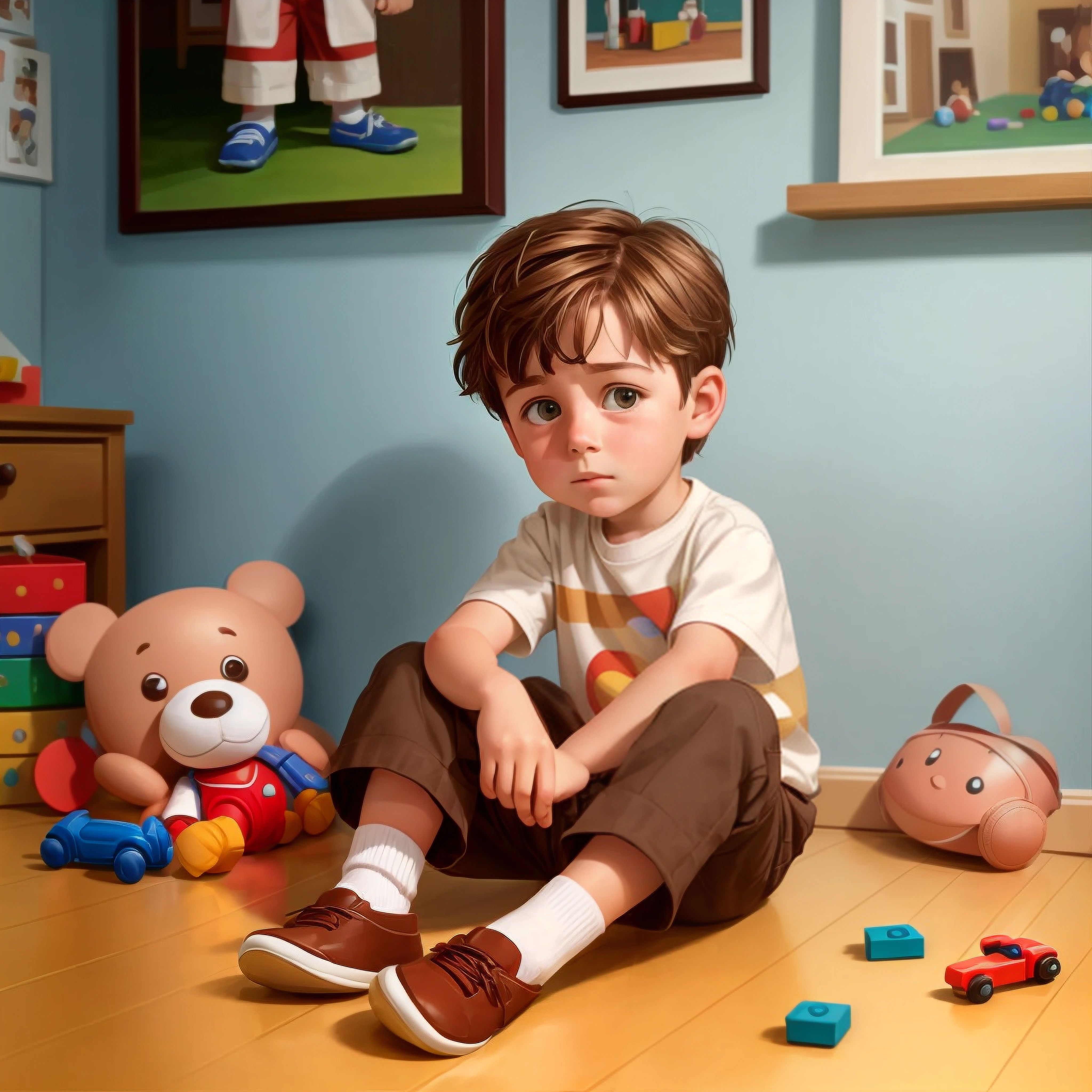
Young boy who is not old enough to understand what happened to his father. His father is unable to see him because he is sick (drug addiction) and this is a story to help the boy cope with that as he ages.
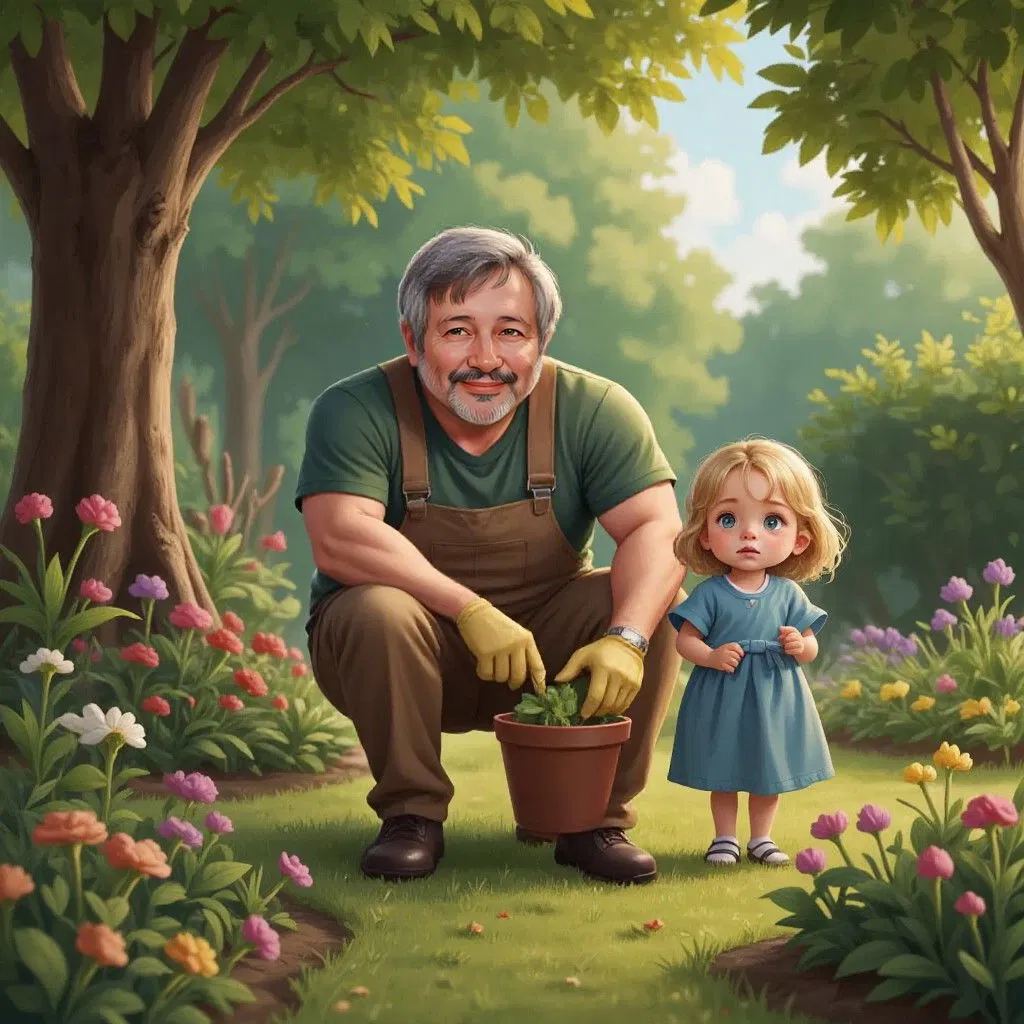
In a small village lived a young man named Kim. Kim loved gardening more than anything else. One day, he decided to grow mushrooms for his family. He found a perfect spot in his backyard. Kim was excited to start his mushroom garden. He read books and learned everything about mushrooms. His little sister Alice wanted to help too. Together, they planned their mushroom patch with great care. Kim and Alice needed special supplies to grow mushrooms. They went to the local market to find everything they needed. Alice was fascinated by the different types of mushrooms they saw. Kim explained to Alice which ones were best for their garden. They bought mushroom spores, soil, and some wooden logs. Their family dog, Buzzie, wagged his tail happily as they returned home. They were ready to start their mushroom adventure!
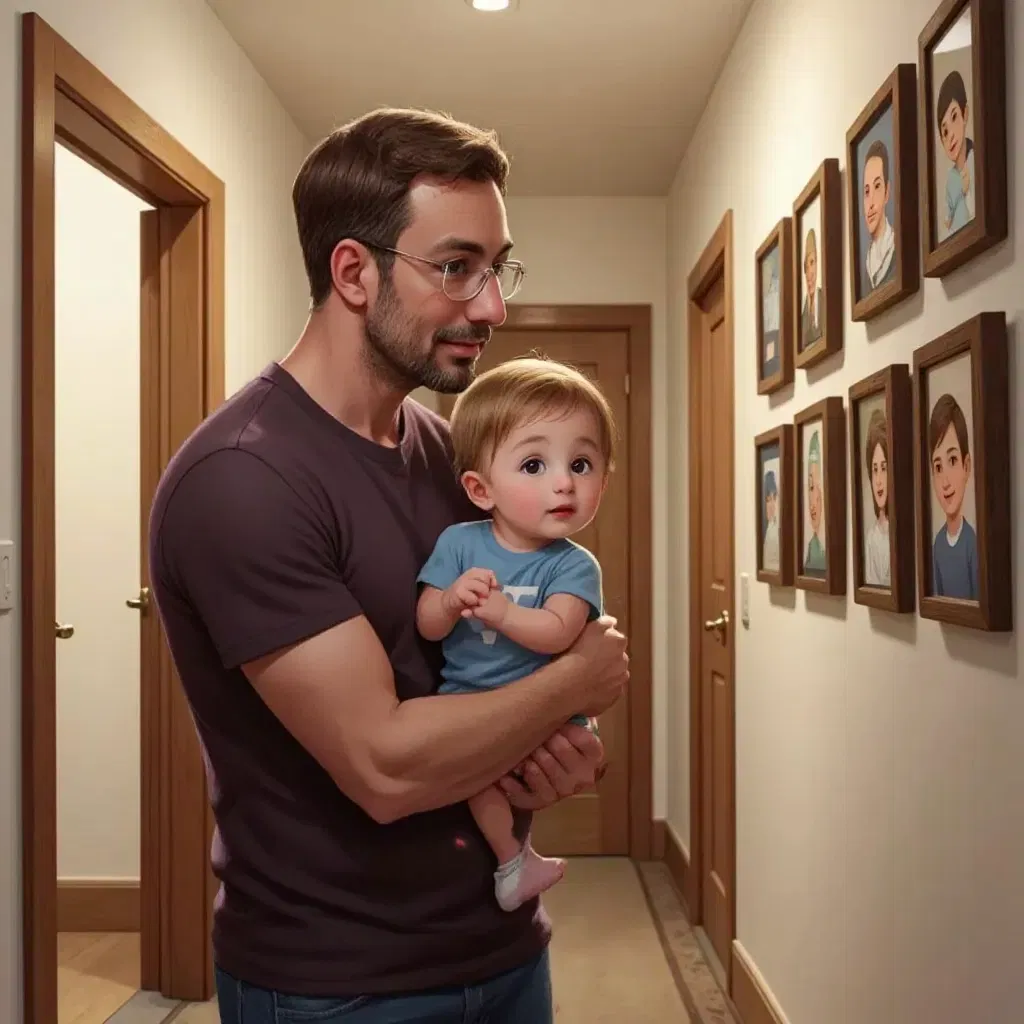
Baba Charbel Takes joey out of the car, then they walk into the house while Helen Nany Joey walks behind them making funny faces. Baba Charbel Shows Joey pictures. Baba Charbel and Mama push joey around the community in his tricycle. Baba Charbel and Mama play with Joey on the slides. Baba Charbel and Mama and Helen Nany Joey give Joey dinner while he is sitting on his high chair. Mama and Helen Clap for Joey while he is playing in water in the bathtub there is also a phone showing his grandparents. Baba Charbel Puts Joey in his crib at night
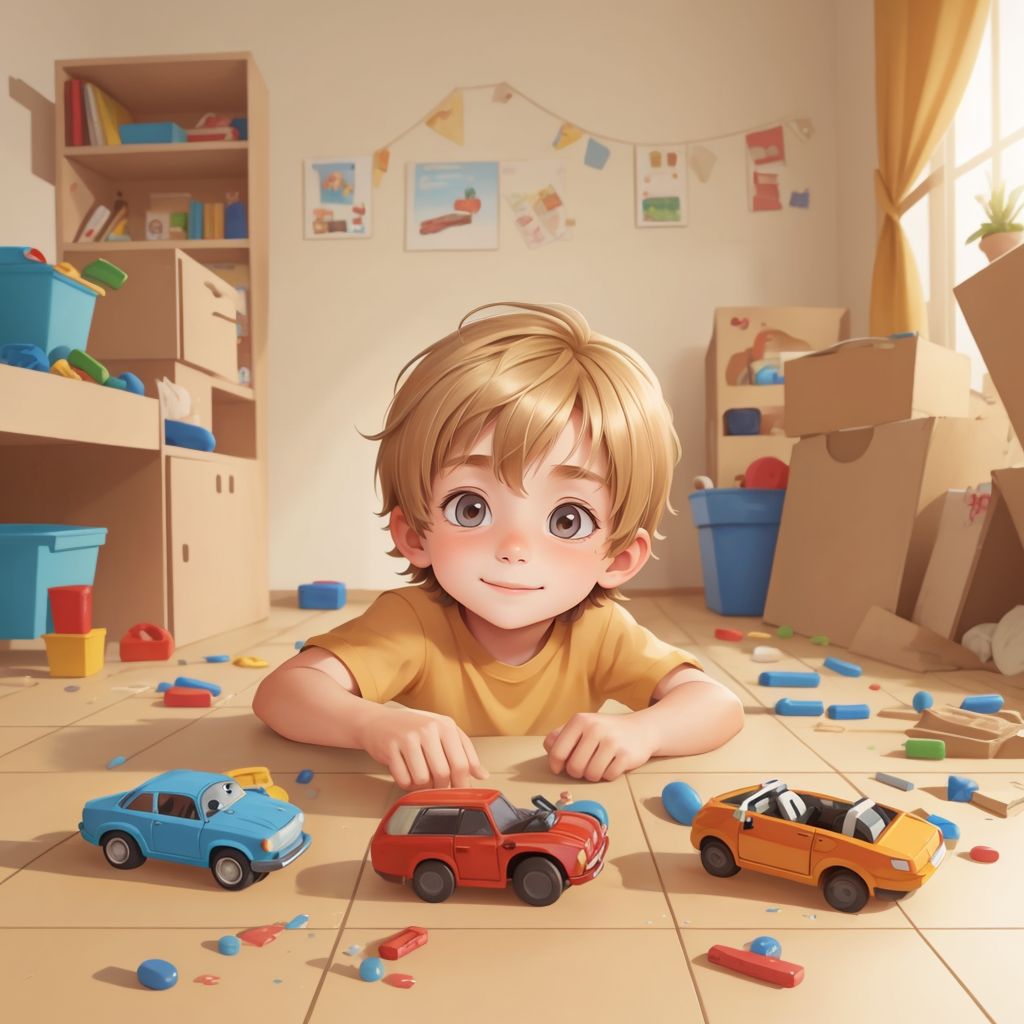
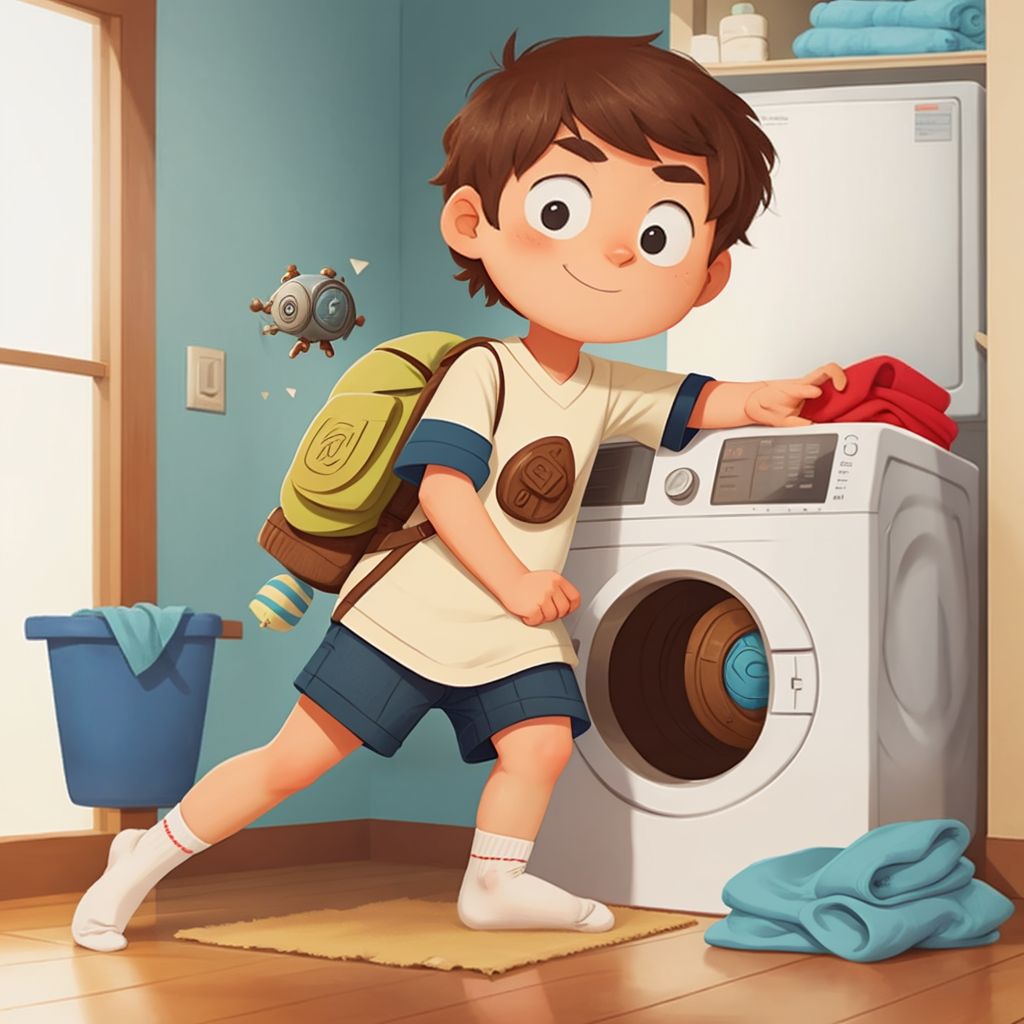
Benny, a young boy who loves to play with his toys but often leaves them scattered around. This habit creates problems for his friend Sally, who can’t find her toys amid the clutter. Benny’s Grandma notices the issue and teaches him the importance of cleaning up his toys after playing. By learning and practicing this new habit, Benny keeps his play area tidy, making it easier for everyone to find and enjoy their toys. The story underscores the value of maintaining an organized space for more enjoyable playtimes.
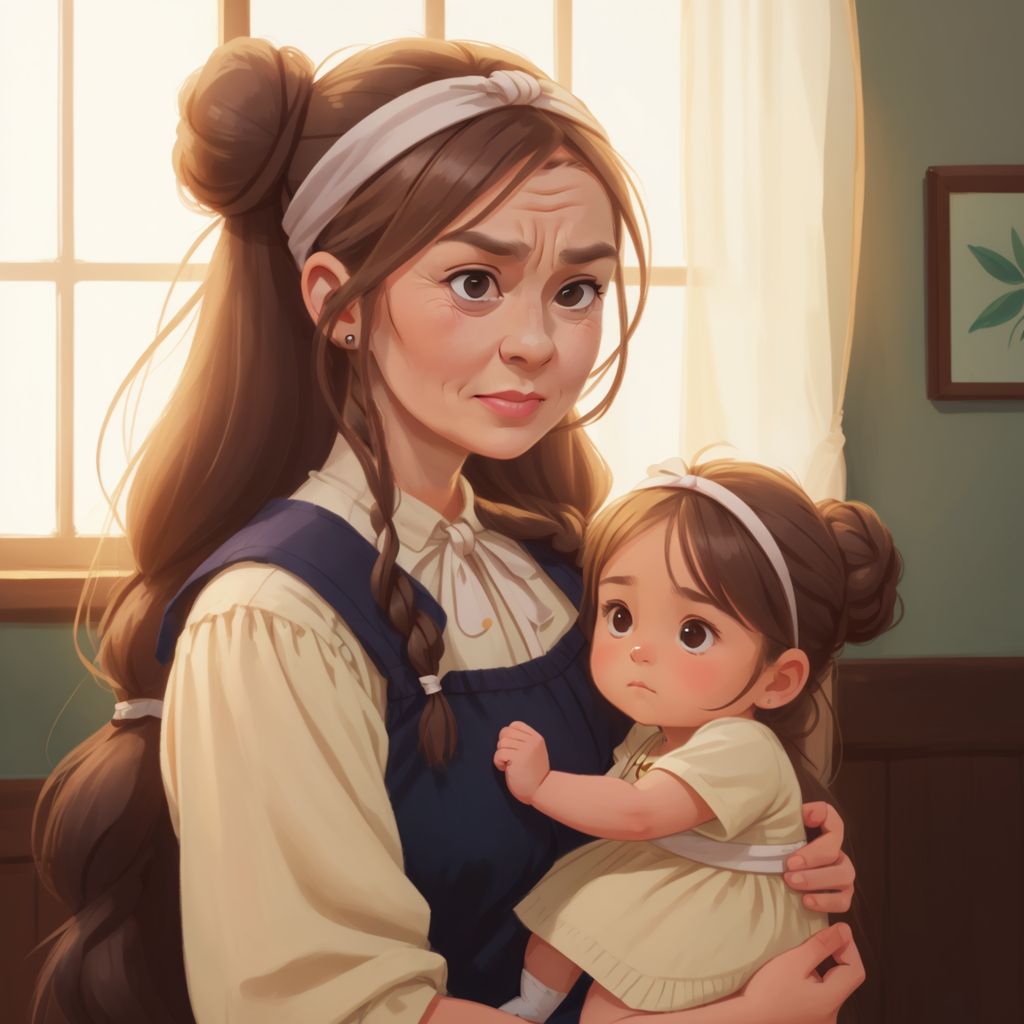
1. Jenny was watching a baby and her and that baby was unusually tired or fatigue 2. Jenny lived in an old house 3. Jenny had been gangstalked 4. Jenny started to investigate sound 5. She had stumbled across infrasound 6. Infrasound is known to produce symptoms with high rating of annoyance and a feeling of pressure on the ears, fatigue, apathy, depression,, drowsiness, and resonance of internal organs 7. Jenny downloaded the Redvox app because she can't afford a tester 8. It showed infrasound in her home 9. Jenny tried to find further testing and it didn't seem to be available for residential areas 10. Jenny reached out for help on social media sights 11. Someone with testing capabilities was able to test for infrasound 12. The person came out and tested and had found something placed on Jenny's property 13. Jenny's story of infrasound in her house spread 14. Jenny is taken to a safer home while the source of infrasound is investigated and eradicated

Once upon a time, in the village of Starwood, children were getting ready for a fantastic event-the Junior Olymstar! The Olymstar took place every five years, and only the fastest, strongest, and bravest team could claim victory. In this village, every child had a unique heart mark on their arm known as a "base marker." Boys had a blue heart, and girls had a pink one! Kira's heart was a lovely mix of pink and blue. She was born a girl, yet some perceived her appearance and behavior as more like a boy. Kira felt a sense of difference and confusion, often left on the outside, as if she didn't quite belong. As other children prepared for the village Olympics, Kira remained behind, shy to participate. She thought, "Where do I belong if I'm not just pink or blue?" One day, Coach Jake noticed her and said, "Kira, colors don't decide who we are." People are wonderfully diverse, and everyone has a place, even if they don't fit neatly into a single category. Our village was created on diversity, Kira. Our unique strengths, talents, and ideas bring us closer and make us even better as a team. There's no need to fit into just one category; your uniqueness can bring something wonderful to our team. "In the Olymstar, we will show the world the strength that comes from unity and kindness." Kira reminded us that our differences make us special. At last, Kira found her place, not by being just like everyone else, but by embracing who she truly was. She no longer felt like she didn't belong. Instead, Kira knew her uniqueness was her strength, and she was ready to shine in the Olymstar, just like everyone else. Proud of her unique mark, that made her just right, exactly as she was Being intersex means that a person's body doesn't quite align with the typical concepts of boy or girl Just like colors, everyone has a place here.
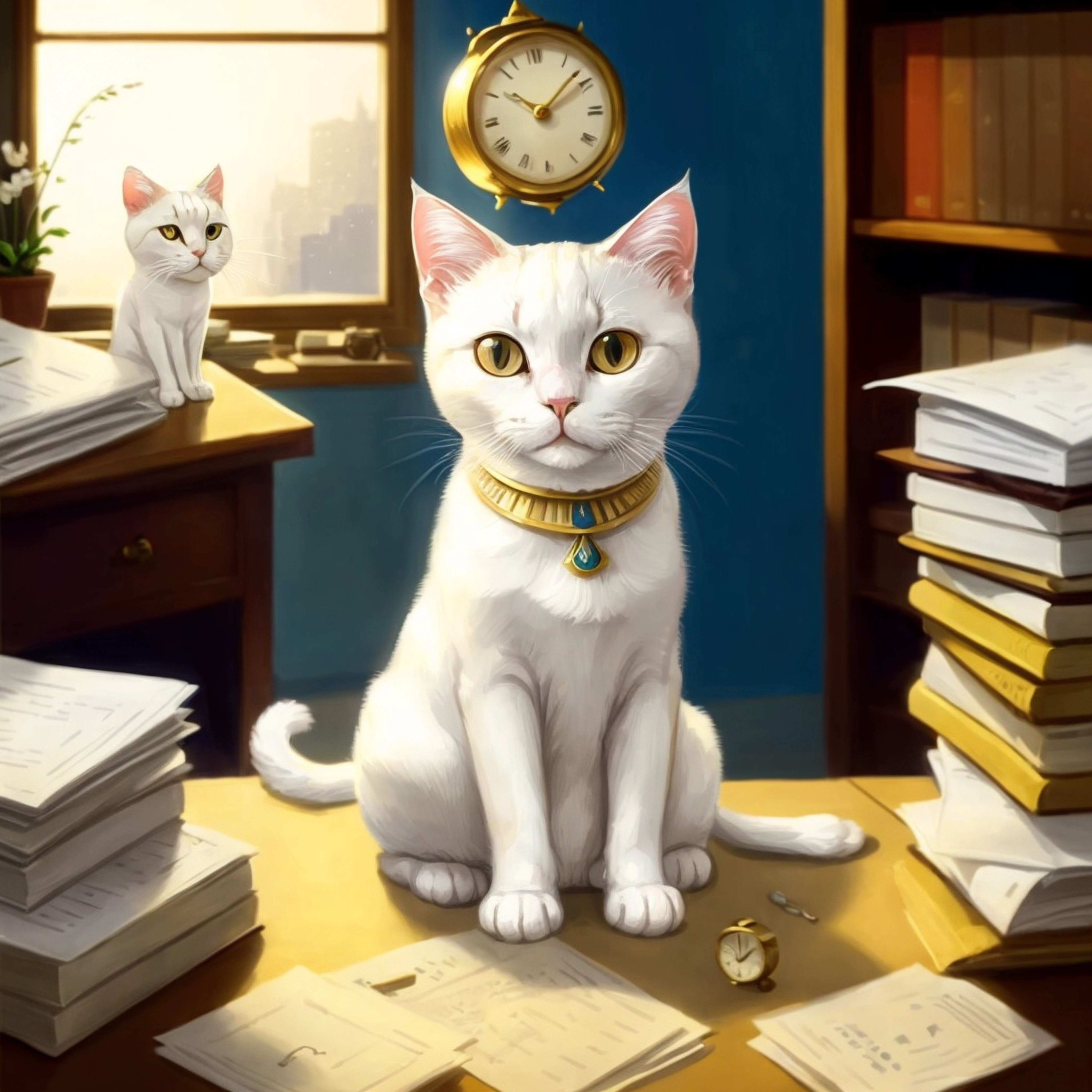
1. The boss keeps harassing his subordinates 2. Subordinates are angry and furious 3. Subordinates kidnapped the boss 4. The boss was scared and kept on apologizing. 5. The boss admits his mistakes and ensures that he won't repeat them.
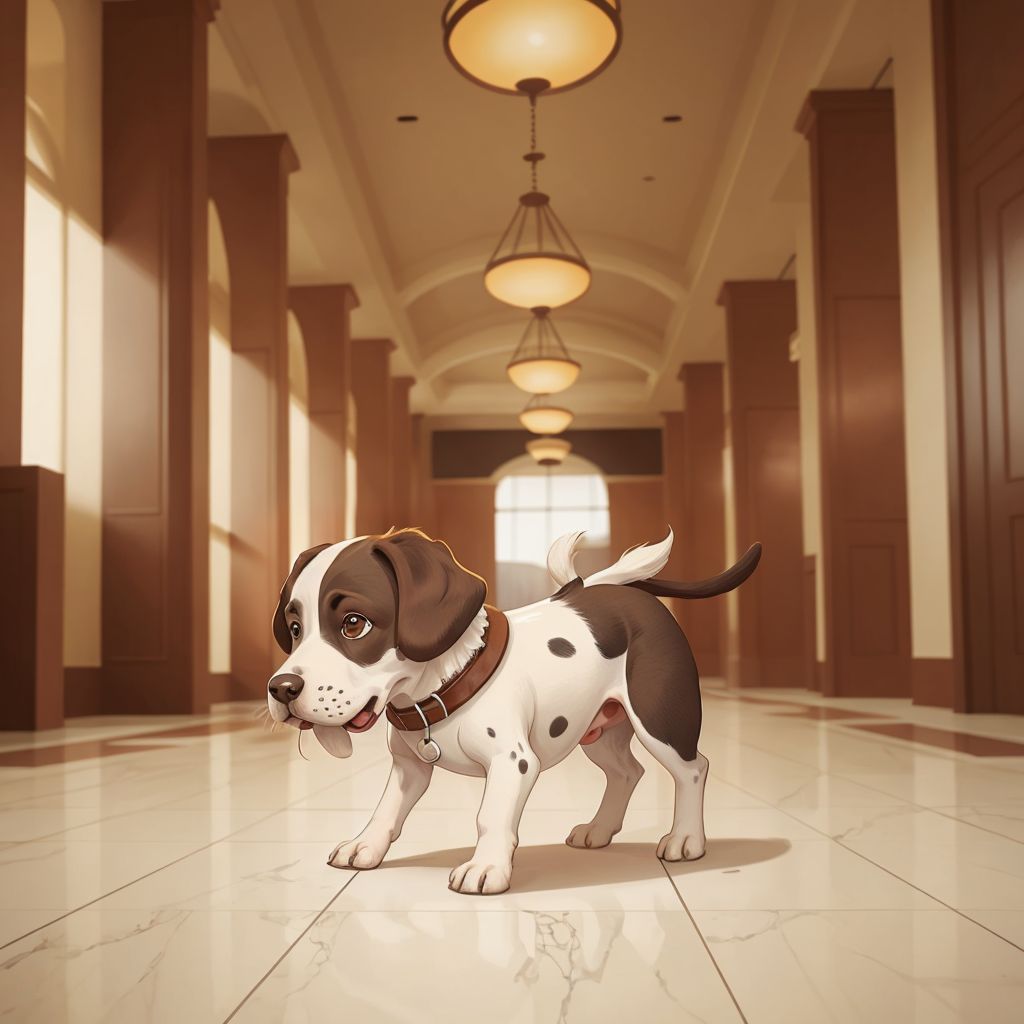
Winnie, the sweet hound puppy, gets lost in a fancy hotel. She has many adventures throughout the hotel while trying to find her owner, a little girl named Reagan.

Adventure in hills
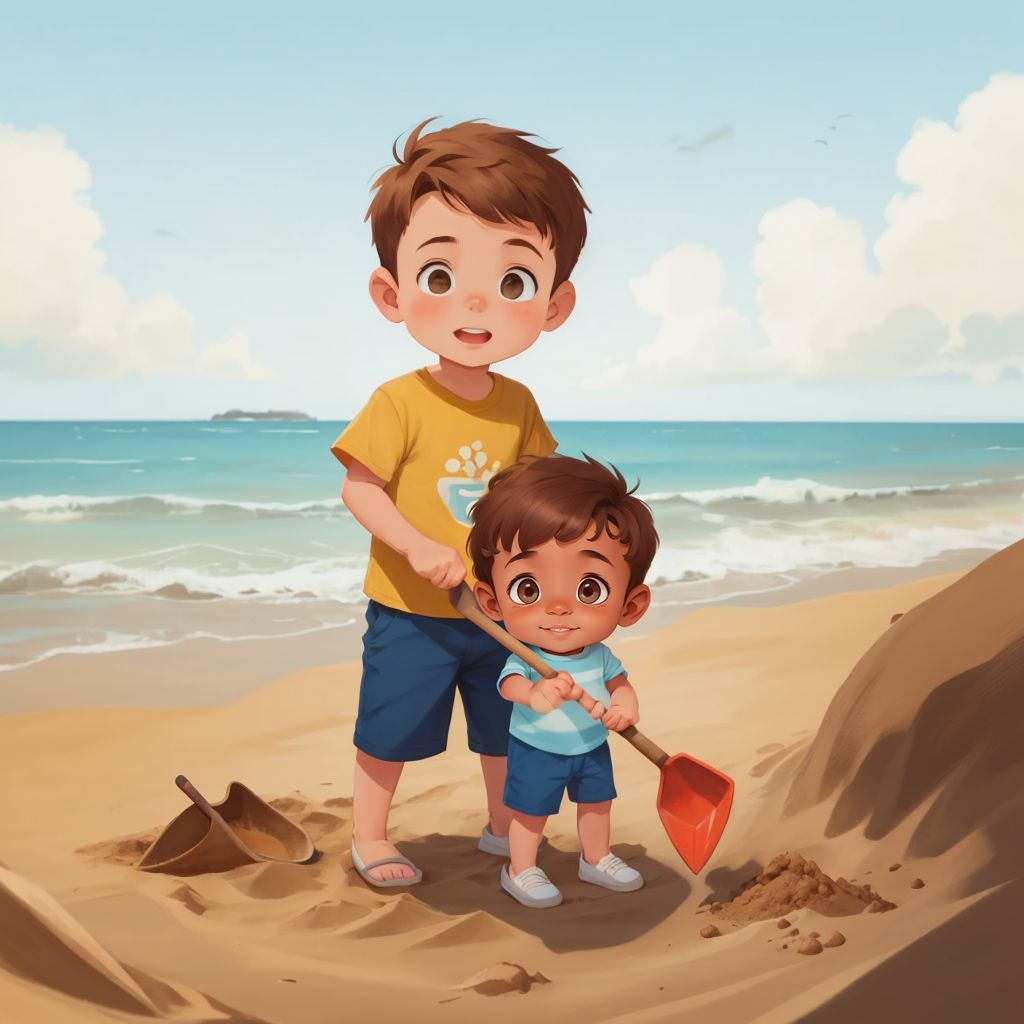
Enzo and his 8 siblings along with mom and dad go to the beach for the day. At the beach, Enzo is first afraid of water and scared of the waves and sounds, so he decides to build sand castles instead. After a while of digging, he decides to try the water and ends up having a great time

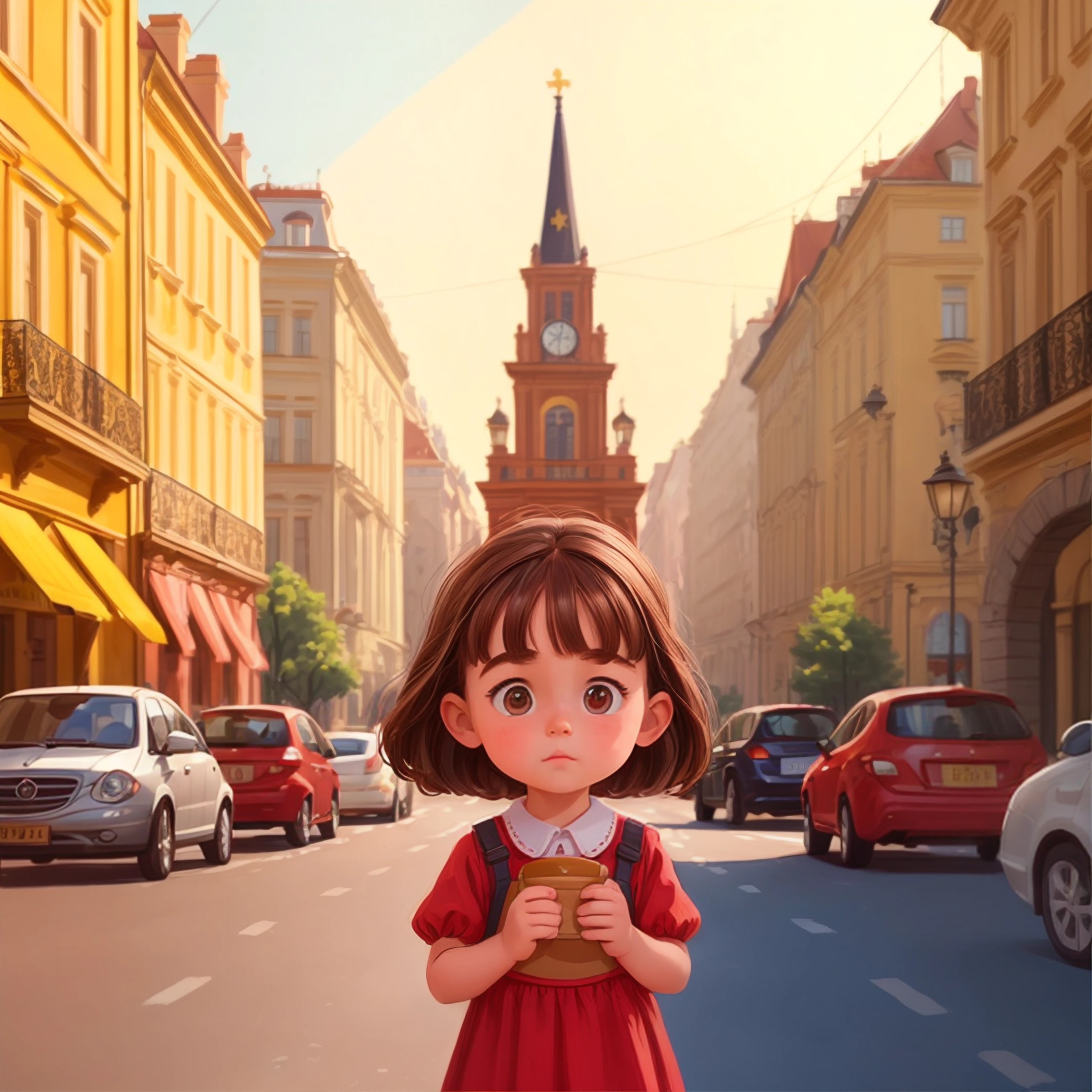
Дівчинка п'яти років приїхала з маленького містечка у велике місто Одеса. Їй цікаво разглядати та порівнювати все навкруги.
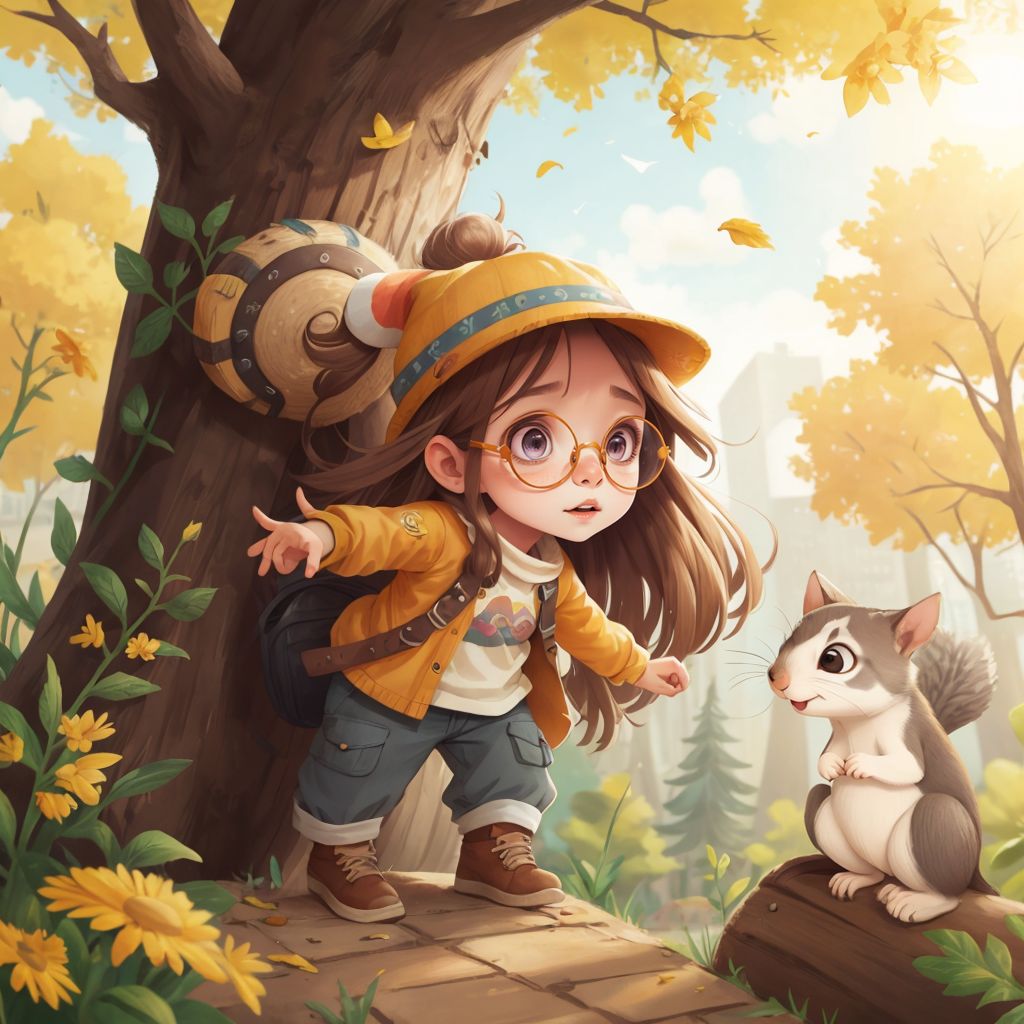
curious Lily and her acrobatic squirrel pal Flip embark on a whimsical adventure through their neighborhood. As Flip scampers up trees and hangs from branches, Lily learns to see familiar sights in surprising new ways. From upside-down gardens to sideways streetlamps, the pair discovers that changing your viewpoint can transform the ordinary into the extraordinary. When they encounter friends seeing things differently, Lily and Flip realize that everyone's perspective is unique. This heartwarming tale encourages young readers to open their minds, respect others' views, and find wonder in the world around them – no matter the angle!
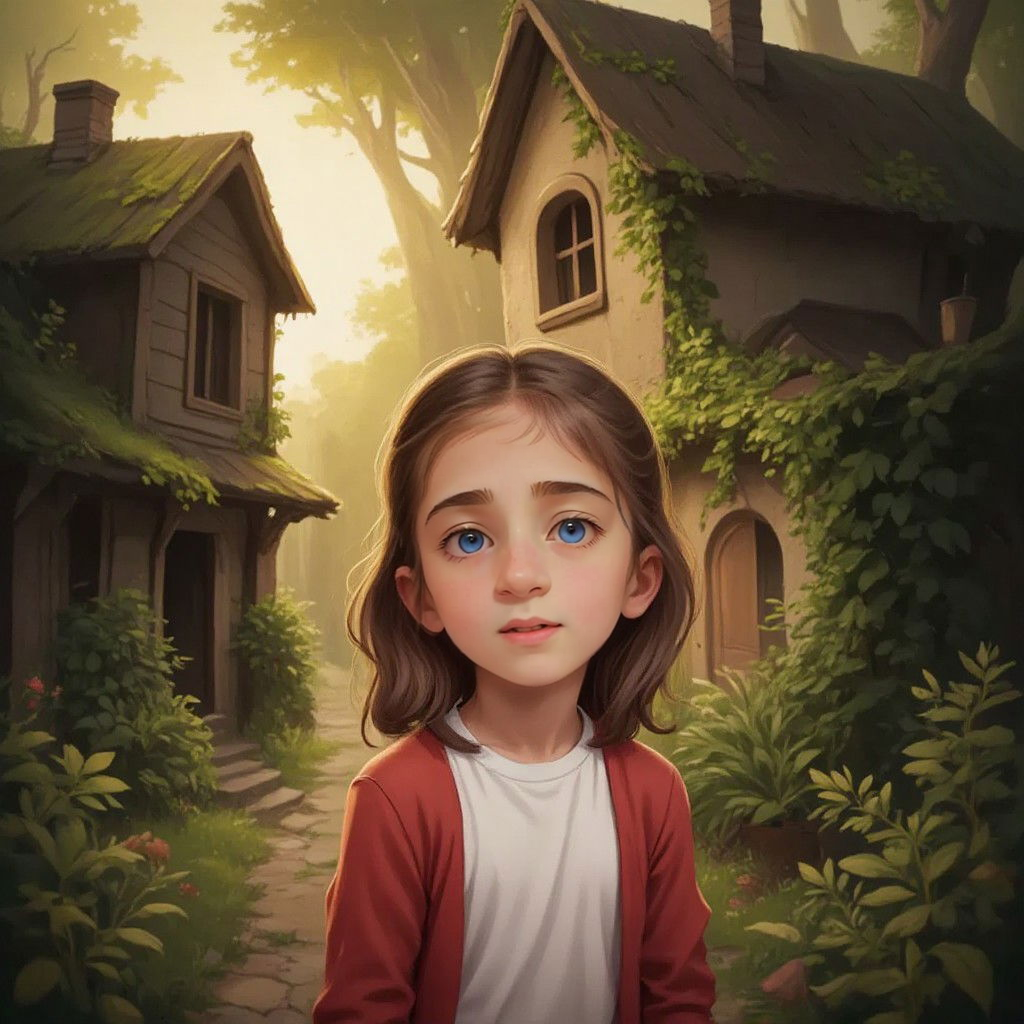
Pre teen Girl visits an abandoned house and stumbles on a locket with a photo inside of her great grandmother.
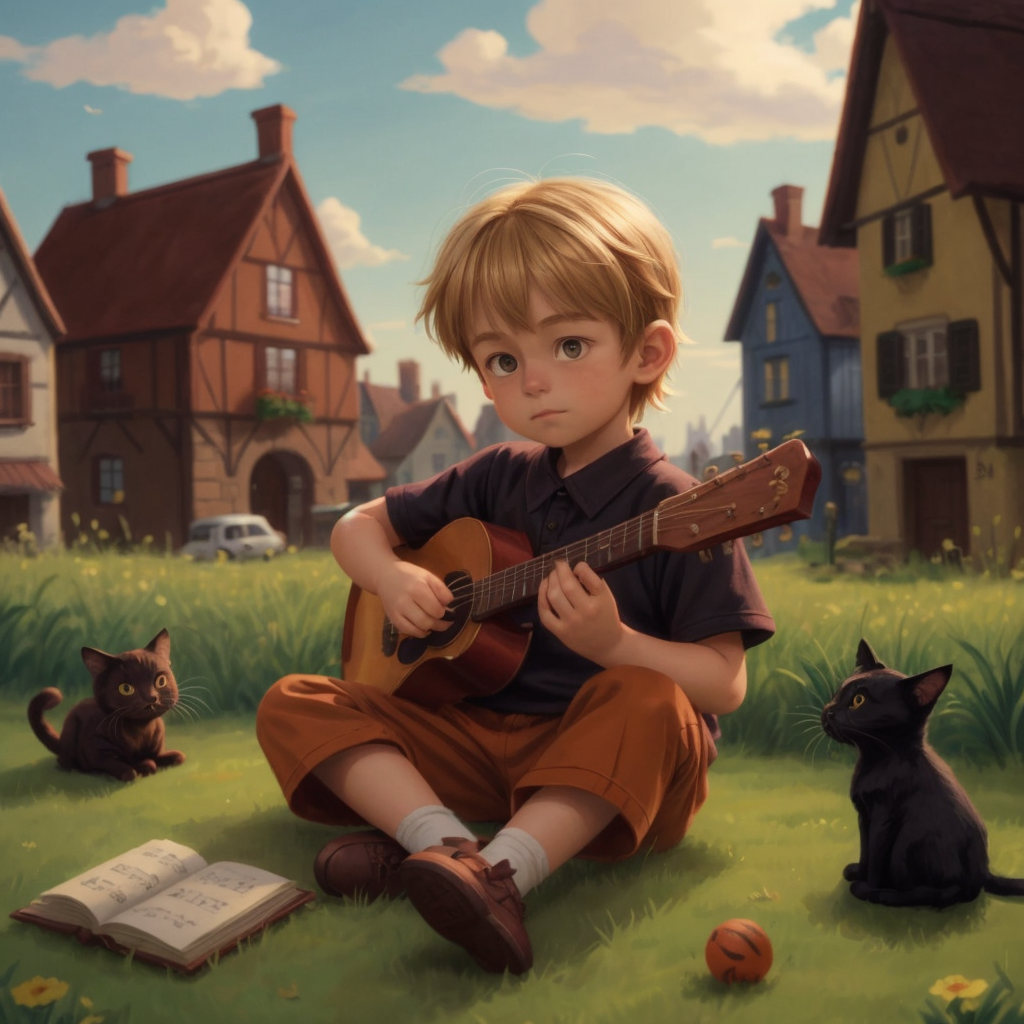
This enchanting children's book tells the extraordinary adventures of a young boy, Oliver, and his mysterious cat, Mr. Whiskers. Mr. Whiskers is no ordinary cat – he possesses the unique ability to create music that brings objects to life and invites a world full of magic and wonders. One day, when Oliver discovers this secret, he and Mr. Whiskers embark on an incredible journey to find the lost Melody of Joy, the key to maintaining harmony in their world. During their adventures, they meet a variety of colorful characters and learn the values of friendship, courage, and the power of imagination. "The Secret Symphony of Mr. Whiskers" is a tale of magic, music, and endless adventure that will surely captivate children and spark their creativity.

Lovisa upptäcker livet på landet
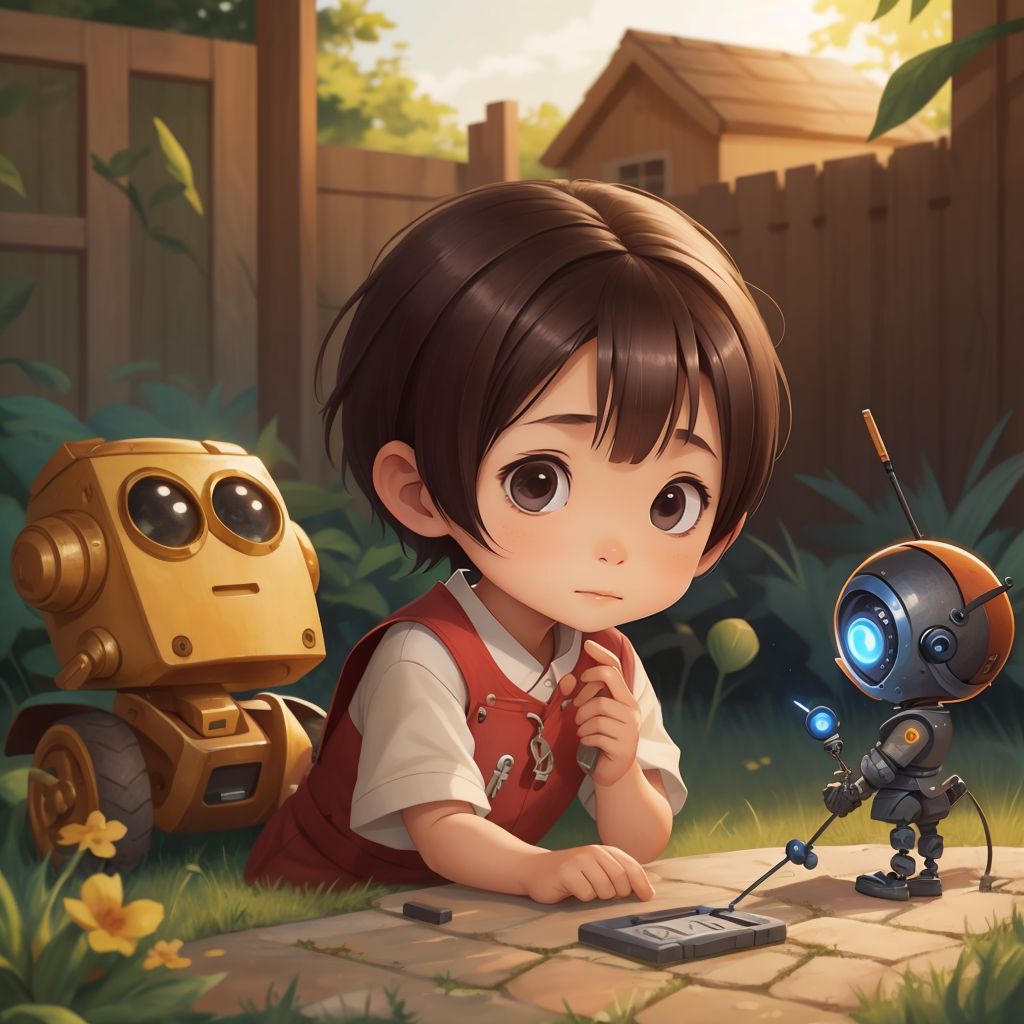
The main characters of the book are brother and sister, Max and Lisa, who are searching for a mysterious key that opens the doors to the Galaxy of Knowledge. Together with their faithful robot companion, named Zet, they set off on a journey to different planets, the machine of which is dedicated to a unique area of Knowledge. On each planet, children meet new friends, learn interesting facts and solve fascinating puzzles. Planet of History, where Max and Lisa learn about great inventions and a historical event. Nature Planet, where children learn about animals, plants and nature Planet of Science, where experiments and scientific discoveries await them. Planet of the Arts, where they learn to draw, sing and dance.
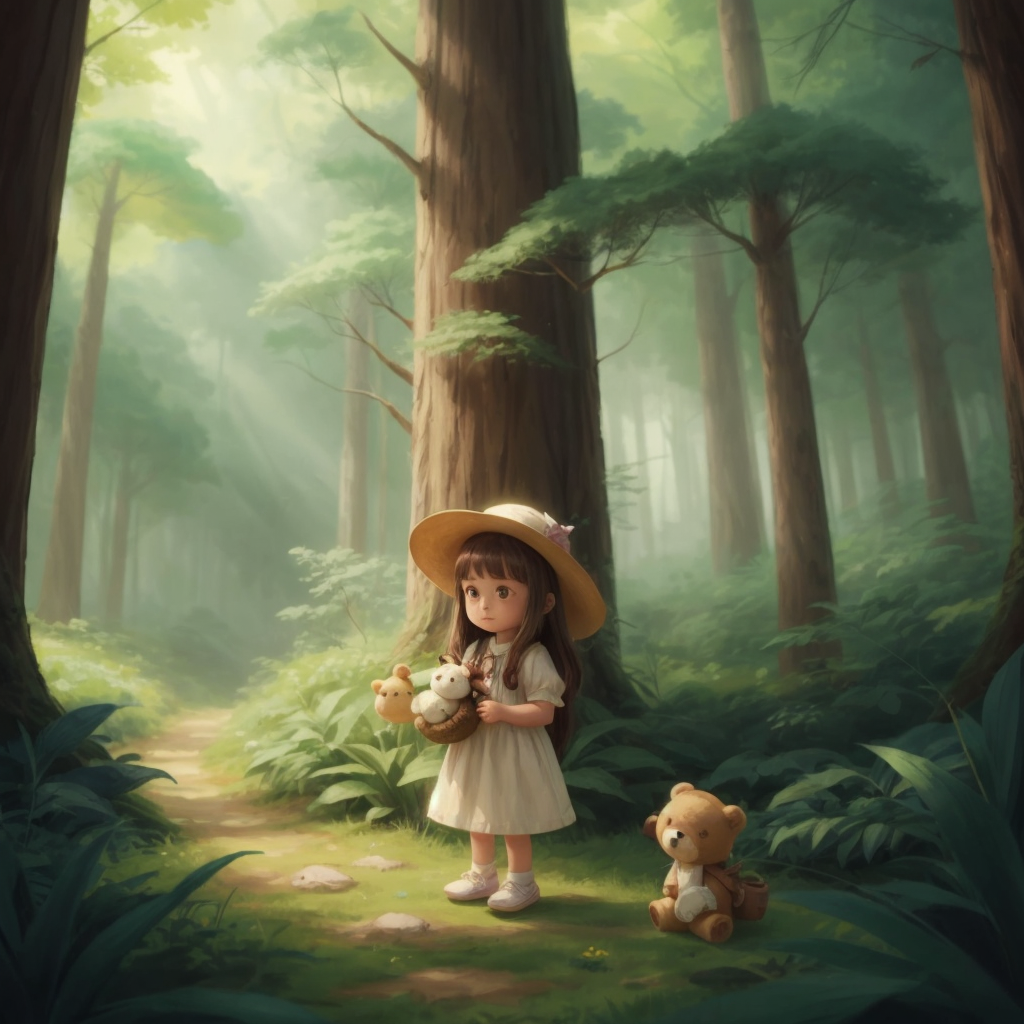
1. A little girl visiting her grandmother at the cottage on a hot summer day. Where she lives in a deep forest with lots of big and tall trees. 2. The little girl's name is Sophie, she is 5 years old. 3. Follow the trail saw the golden streamertail bird 4. as she walk along, she saw rainbow unicorn 5. and a white color wolf 6. she hear grandma calls for Sophie, as she turn around it was just a dream.
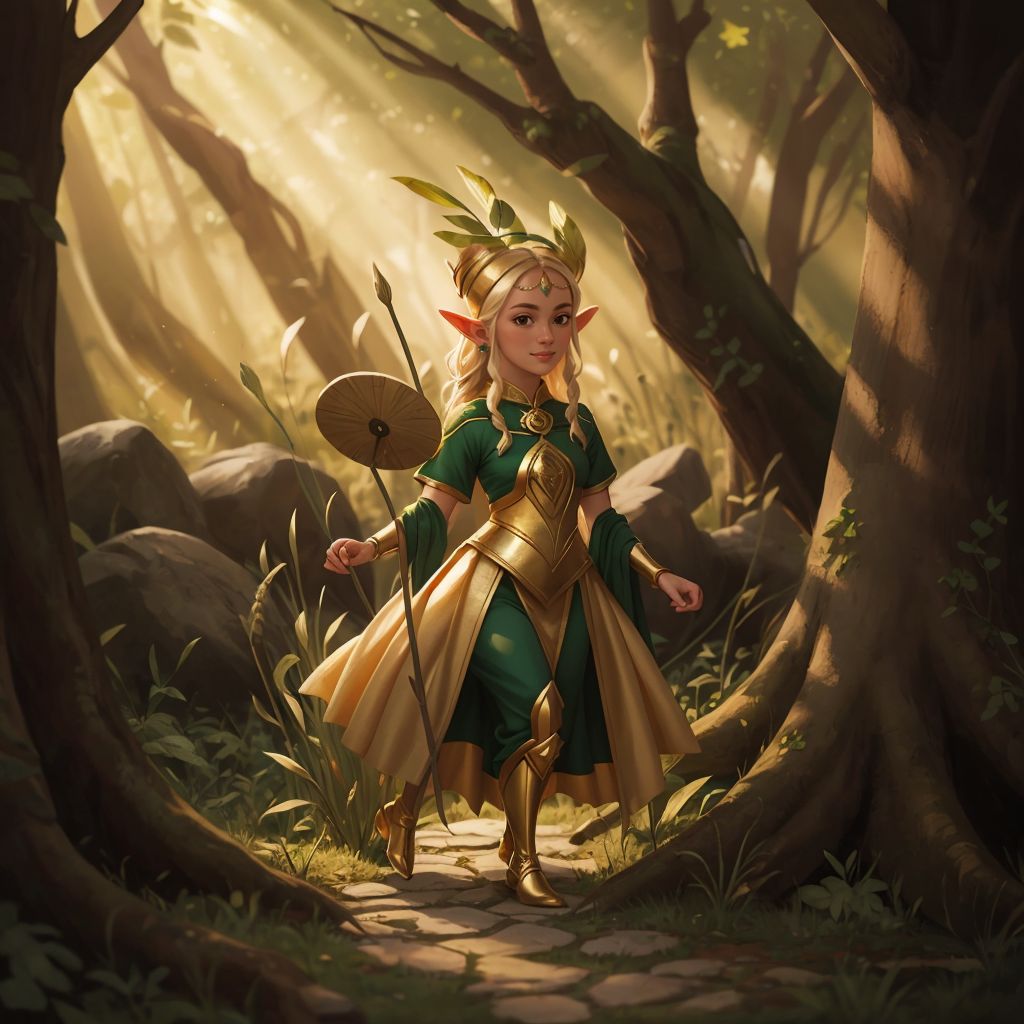
Destiny is a Elf