
 Start Read
 Recommend
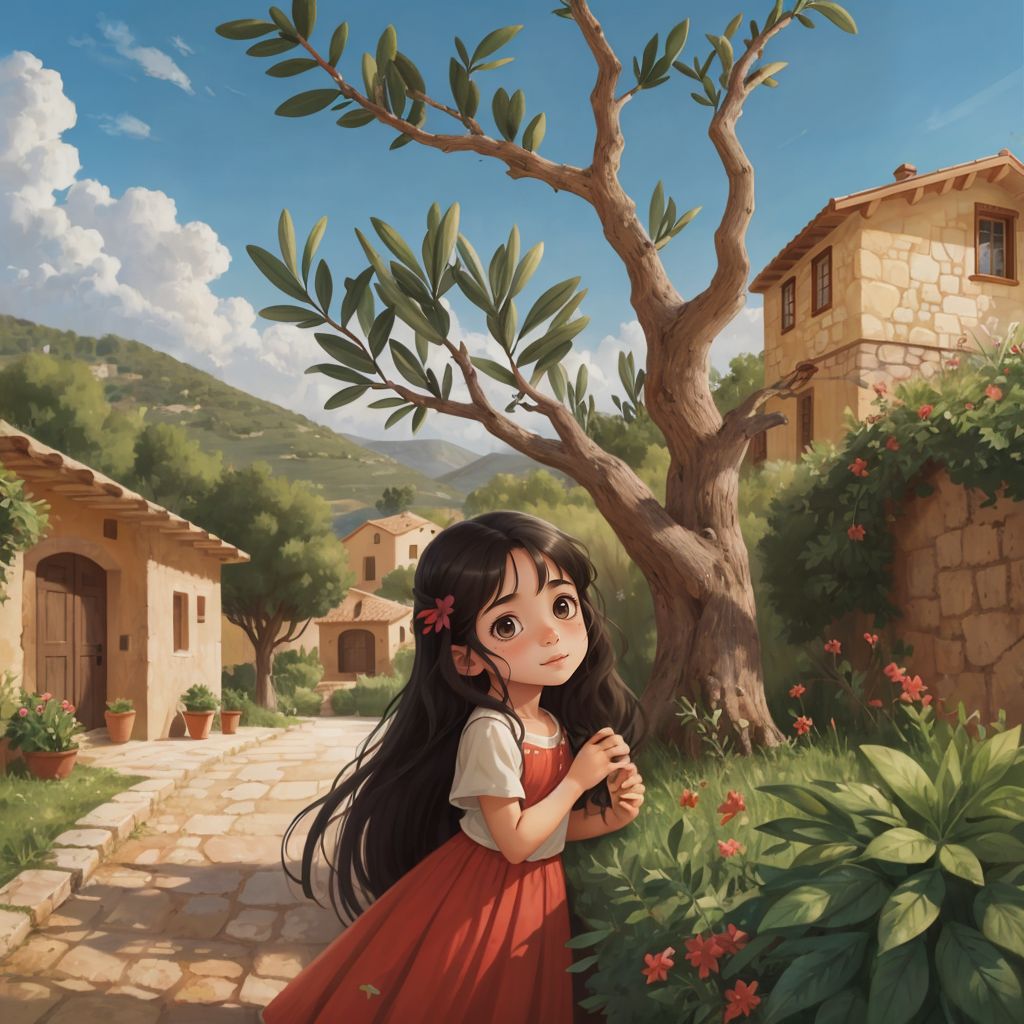
Mira loved the olive tree. It stood tall and strong in front of their home in the small village on the hill, in Palestine's West Bank. She and her brother Omar played under its branches every afternoon, challenging each other to races and playing Gulla or Ghummedah.
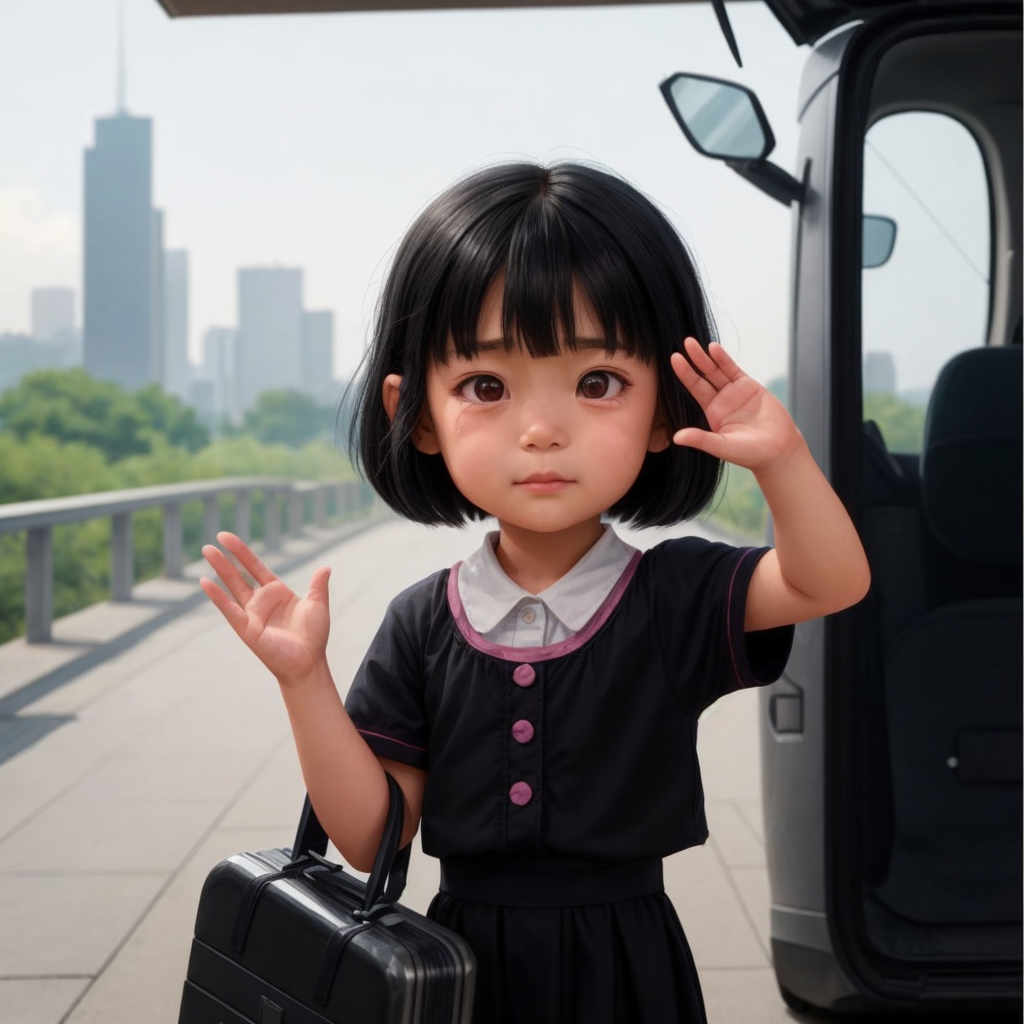
It is a story of a girl with a mother who went on a faraway adventure and she misses her a lot.
Little girl who experience events, where God’s presence in her life is reassured
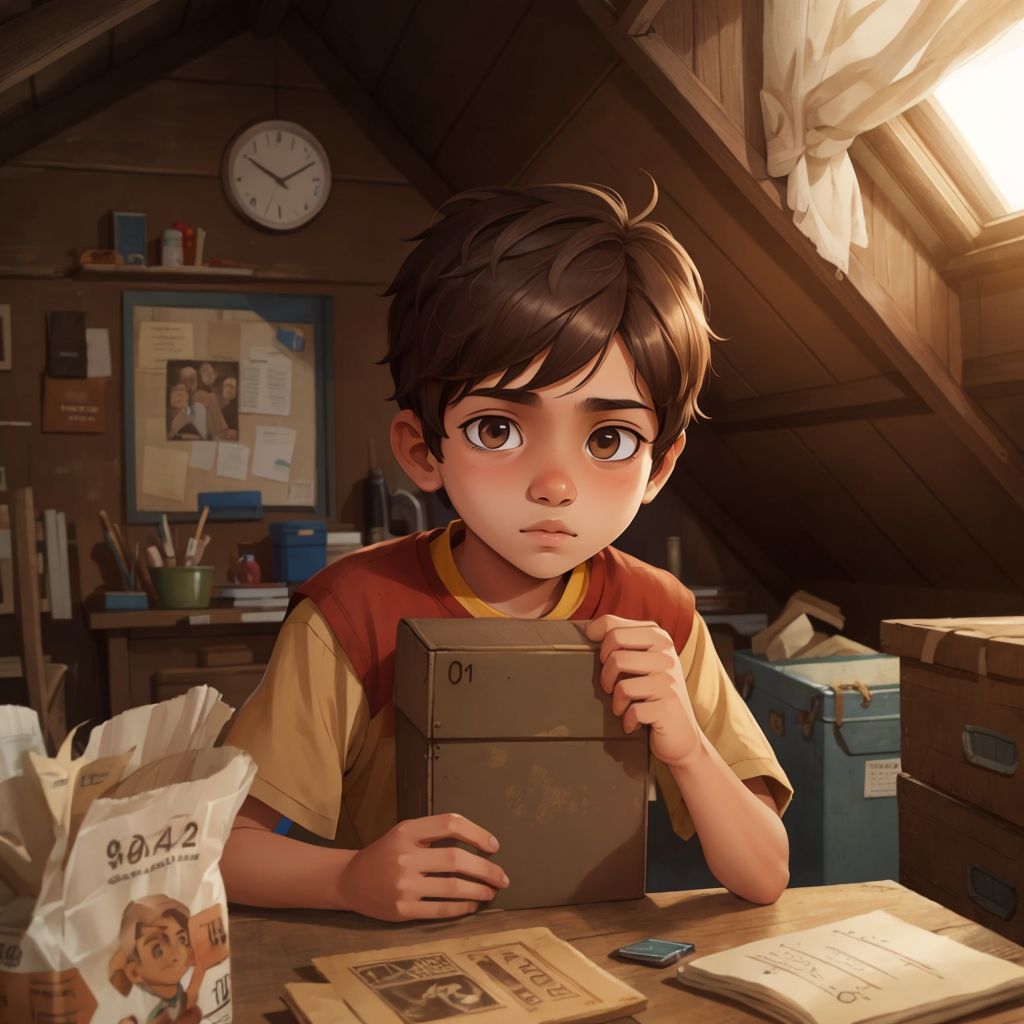
One day, Ella and Max find an old map in their attic. The map has strange symbols and leads to a magical forest they’ve never heard of. With excitement in their hearts, they decide to follow it, hoping to find hidden treasures and mysterious creatures.
In "Alice's Adventure in Algebra Land," Alice, guided by a rabbit, discovers Algebra Land and learns its fundamentals from colorful characters, the Algebra Pals. Through challenges posed by the Algebra Wizard, she perseveres with her friends' support. Returning home, she shares her newfound knowledge, inspired to inspire others. It's a tale of perseverance, friendship, and the joy of learning.
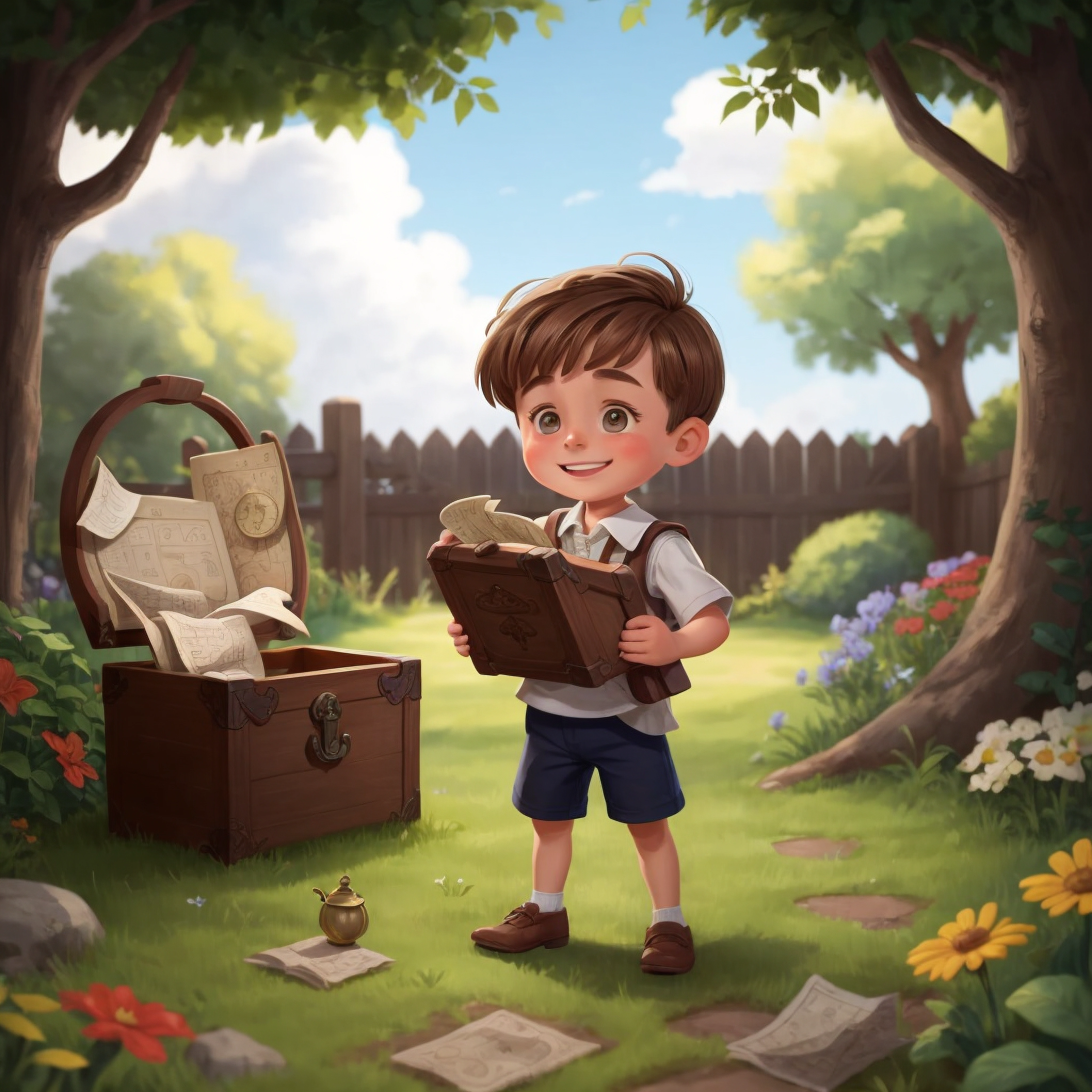
Un bambino trova un'antica mappa di un pirata e parte all'avventura con i suoi due amici
dressed as for a battle with shields, lances and helmets
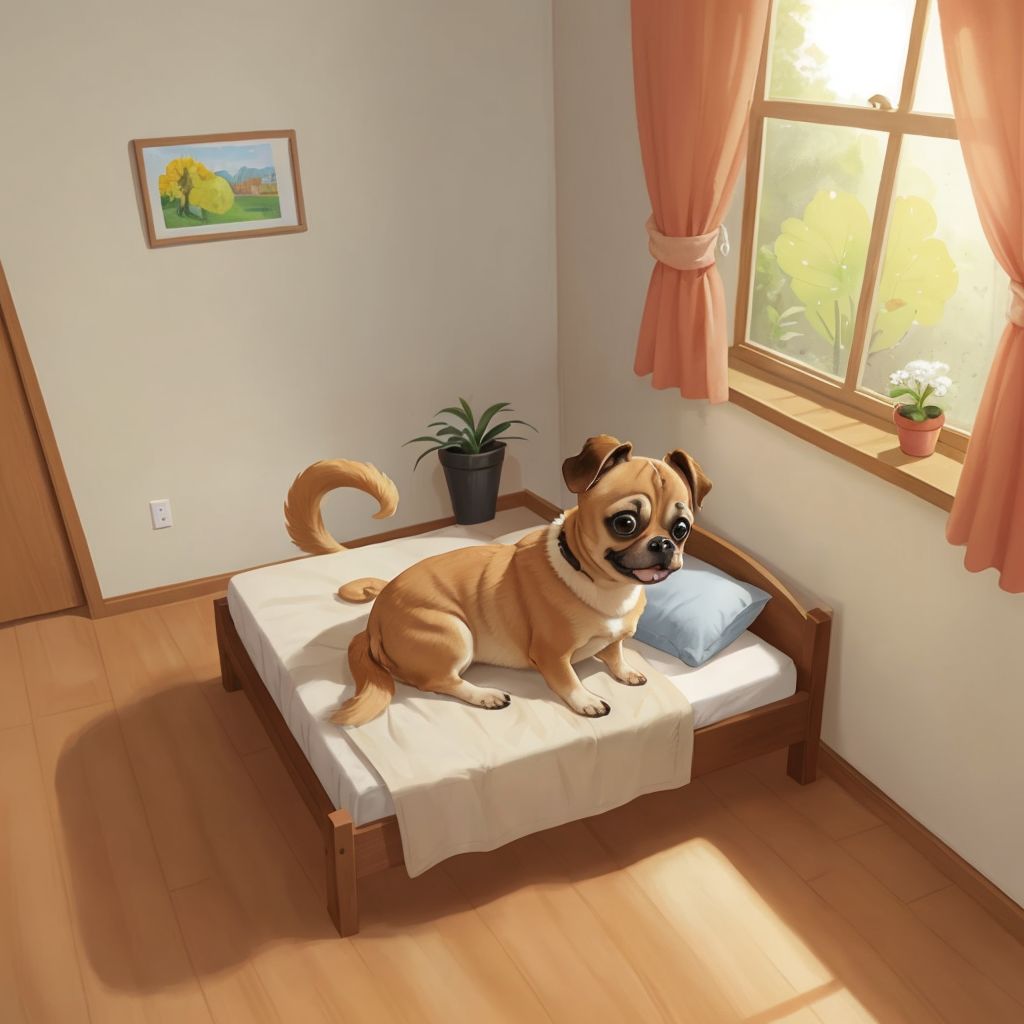
happy girl pug chihuahua mix loves going on adventure meeting new friends. celebrating love and diversity. has a big heart and unique
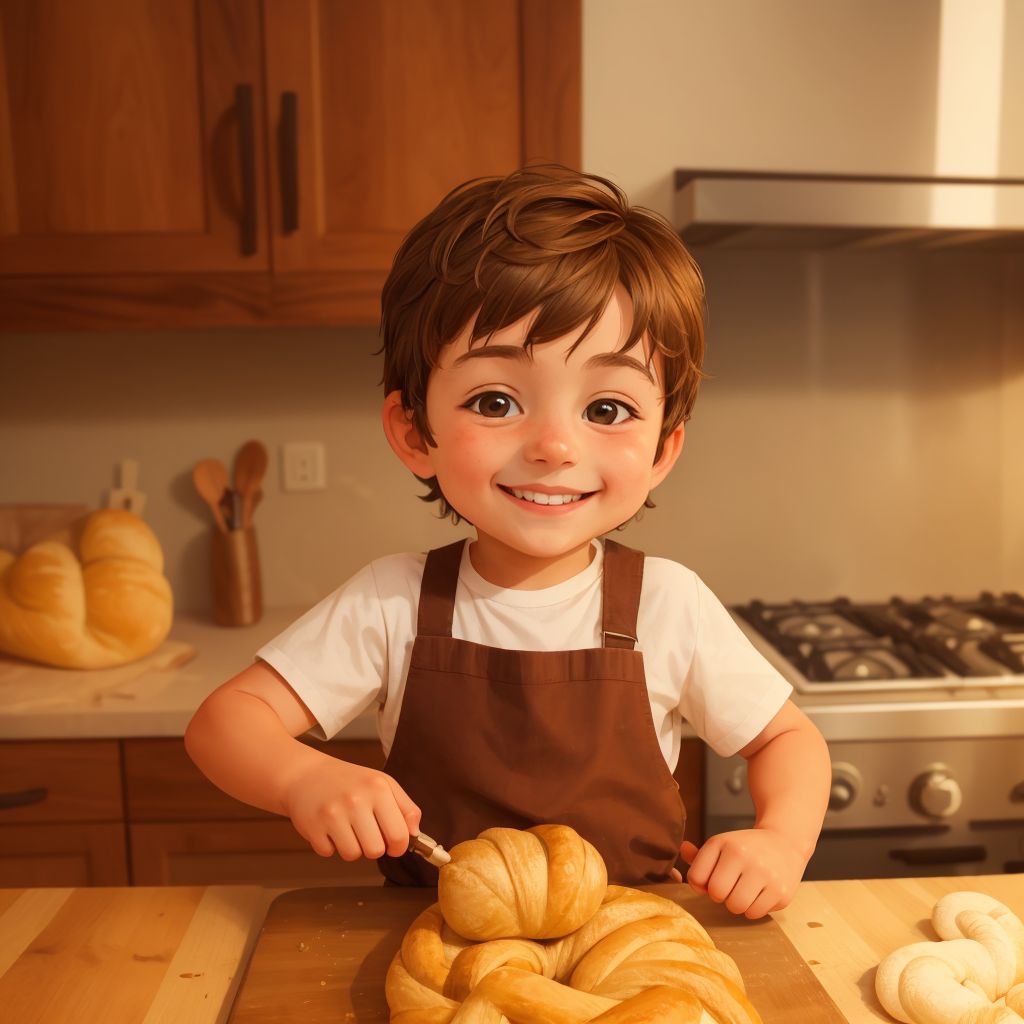
David, a young boy, loved helping his mother prepare for Shabbat. One Friday, while braiding the challah dough, he whispered a wish: "May our community be filled with kindness and love." As the challah baked, a sweet aroma filled the air. When they sliced into it, a golden light glowed, filling their hearts with warmth and love. From then on, the challah brought joy and unity to the community. David's wish had made a difference! Shabbat Shalom!

deux frères Nathan (le grand frère) et Gabin (le petit frère) gagnent à deux le tournoi de tennis de Rolland Garros en double grace à l'aide de leur Papa Anthony la Sardine
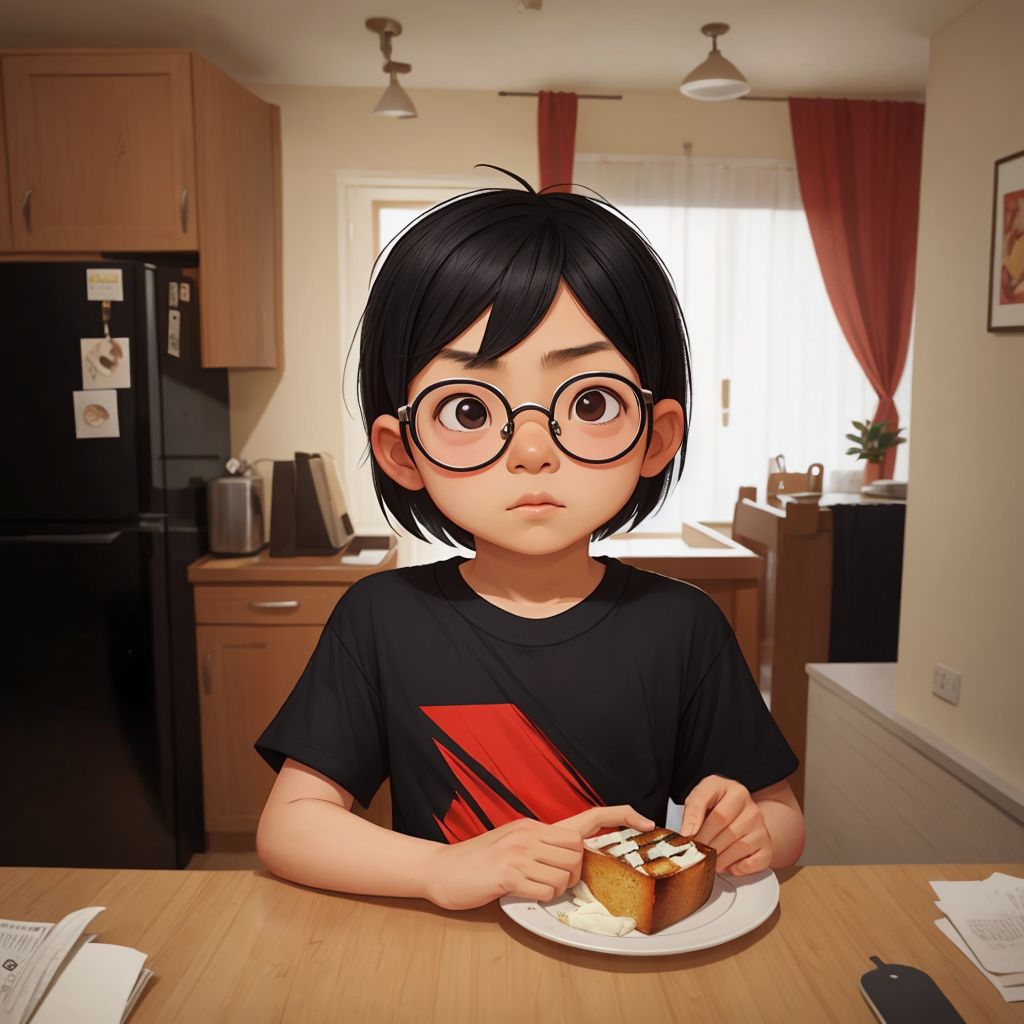
1. Tommy was a curious little boy with a love for breakfast. Every morning, he’d eagerly await the aroma of freshly toasted bread. One day, however, his toast turned a bit too brown - a crispy, almost burnt mess. 2. "Oh no!" he exclaimed, disappointed. His mom, ever patient, smiled. "Well, Tommy, even mistakes can sometimes lead to something good." 3. Intrigued, Tommy asked, "Really? How?" 4. "Let's experiment," she replied. They crumbled the burnt toast into a bowl and added a splash of milk, a sprinkle of sugar, and a dollop of butter. After a quick stir, a delicious, crunchy treat emerged. 5. "It's like a crispy, sweet snack!" Tommy exclaimed, his eyes wide with wonder. 6. His mom nodded. "That's the Burnt Toast Theory. Sometimes, things don’t turn out as planned, but if you approach them with a positive attitude, you might discover something new and wonderful." 7. From that day on, Tommy embraced mistakes as opportunities. A spilled paintbrush led to a unique abstract painting. A missed note in his piano practice turned into a new, improvised melody. 8. The Burnt Toast Theory had become a guiding principle in his life, reminding him that even the darkest clouds can have a silver lining.
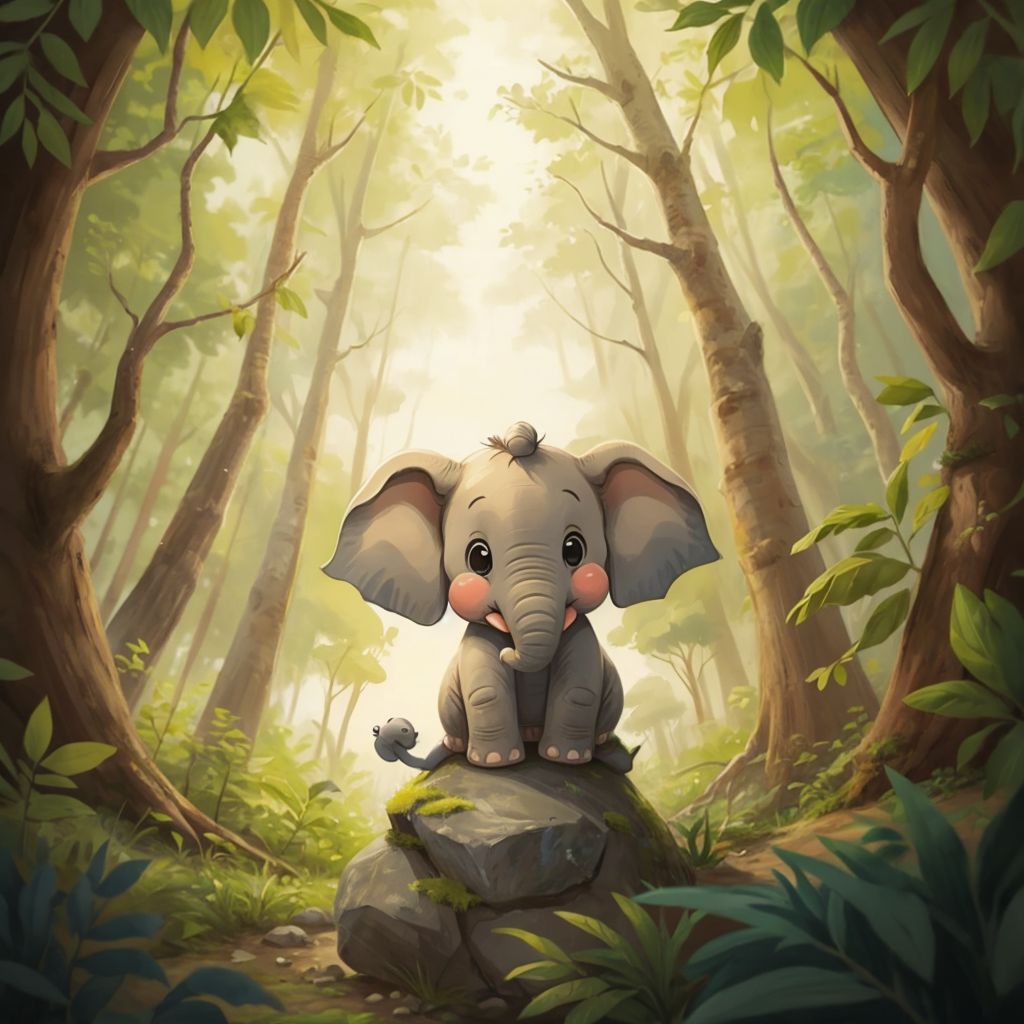
Ellie the Elephant was small, but she dreamed of being big and strong like the tall trees in the jungle. One day, she tried to move a big rock, thinking it would make her strong like the big elephants. But the rock wouldn’t budge, and Ellie felt sad. Max the Monkey saw her and said, “You don’t need to be like the big elephants. Everyone has something special!” Max pointed to Gigi the Giraffe and Zane the Zebra, showing Ellie that each friend had their own strength. Ellie thought for a moment, then tried pushing the rock with her trunk. This time, she moved it just enough to walk around it. “Look! I did it!” she cheered. Her friends clapped and cheered, and Ellie realized she didn’t need to be big like the others. She was strong in her own way. Ellie played with her friends, swinging from vines, racing, and helping Gigi get leaves. She felt proud of herself for being just who she was. In the end, Ellie learned that being herself was the best thing of all. She was perfect just the way she was. Lesson: It’s okay to be different; everyone is special in their own way!
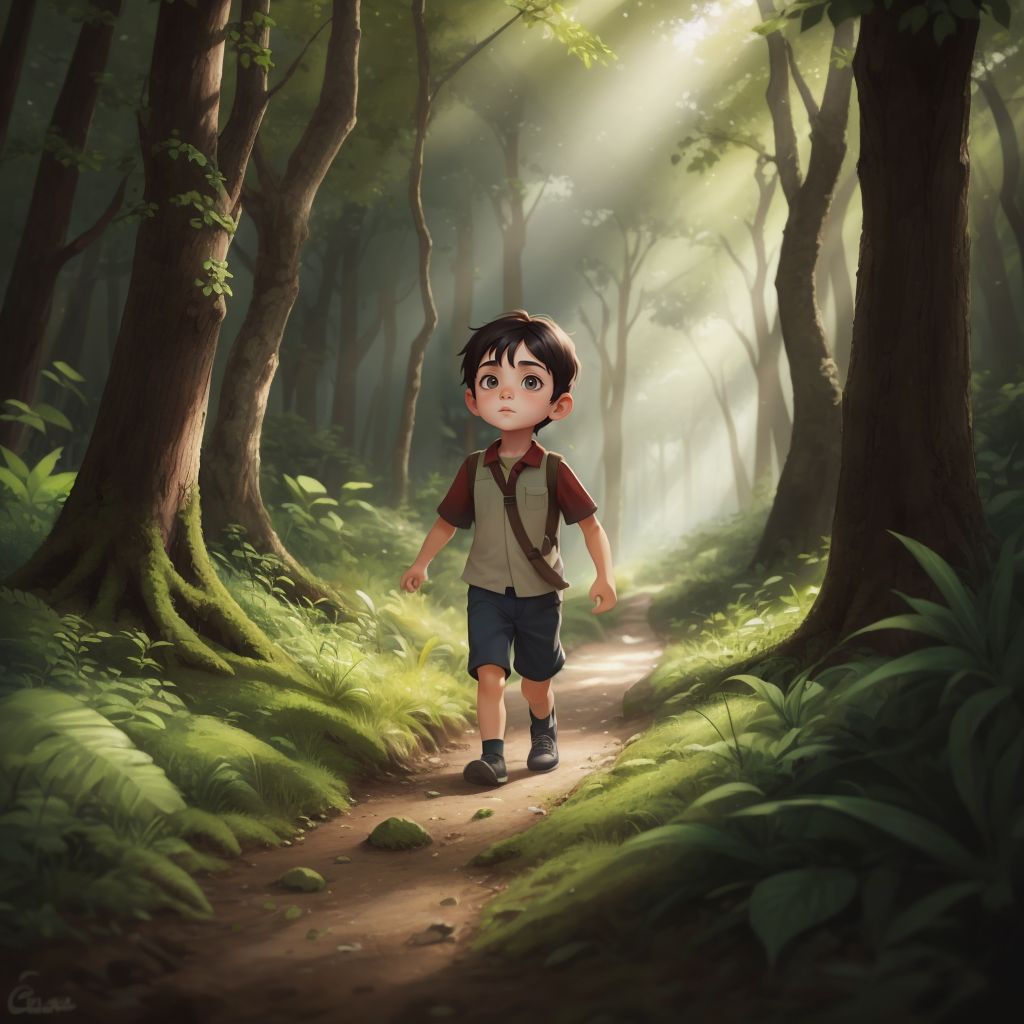
Adventures of Little Leo: A Magical Journey Through Friendship" invites young readers aged 3 to 7 into a world where Little Leo, a spirited lion cub, embarks on enchanting escapades. From exploring friendly forests with Rusty the Rabbit to discovering magical gardens alongside Lily the Fairy. Through tales of courage, kindness, and exploration, children are inspired to dream and learn, making "Adventures of Little Leo" a cherished companion for bedtime stories and interactive reading sessions alike.
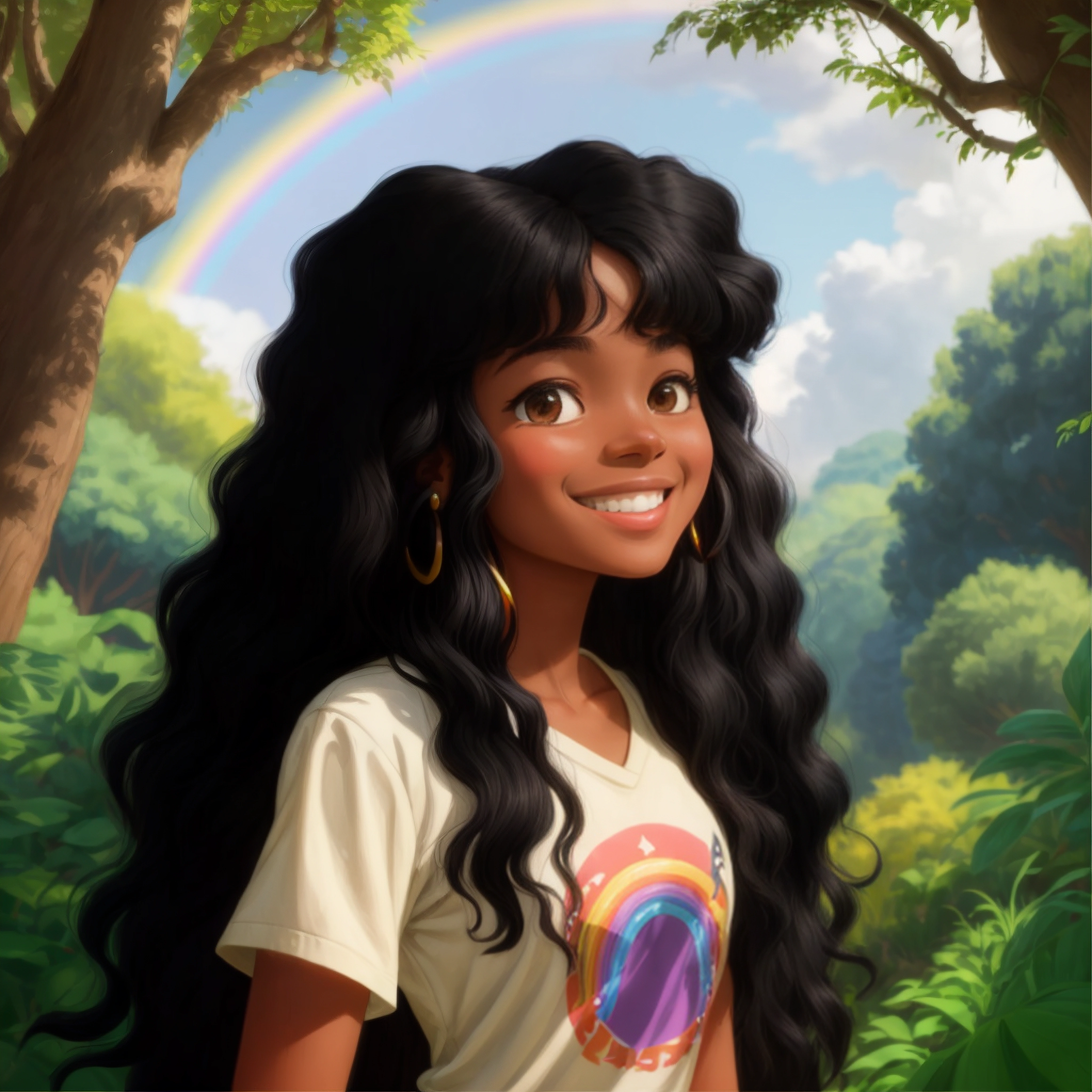
Dive into the enchanting world of "Introducing Miss Witchy Effie Leffy," a captivating children's book that brings to life the magical Enchantwood Jungle which is a place filled with talking animals, rainbow-colored trees, and sparkles that light up the sky. In this whimsical tale, the two friends embark on enchanting adventures, navigating the magical jungle with a penchant for magic and hearts full of kindness. Living in her cozy, mysterious house amidst the vibrant hues of the magical jungle, Miss Witchy Effie Leffy is never alone; her best friend, Mrs. Mungle, is always by her side.
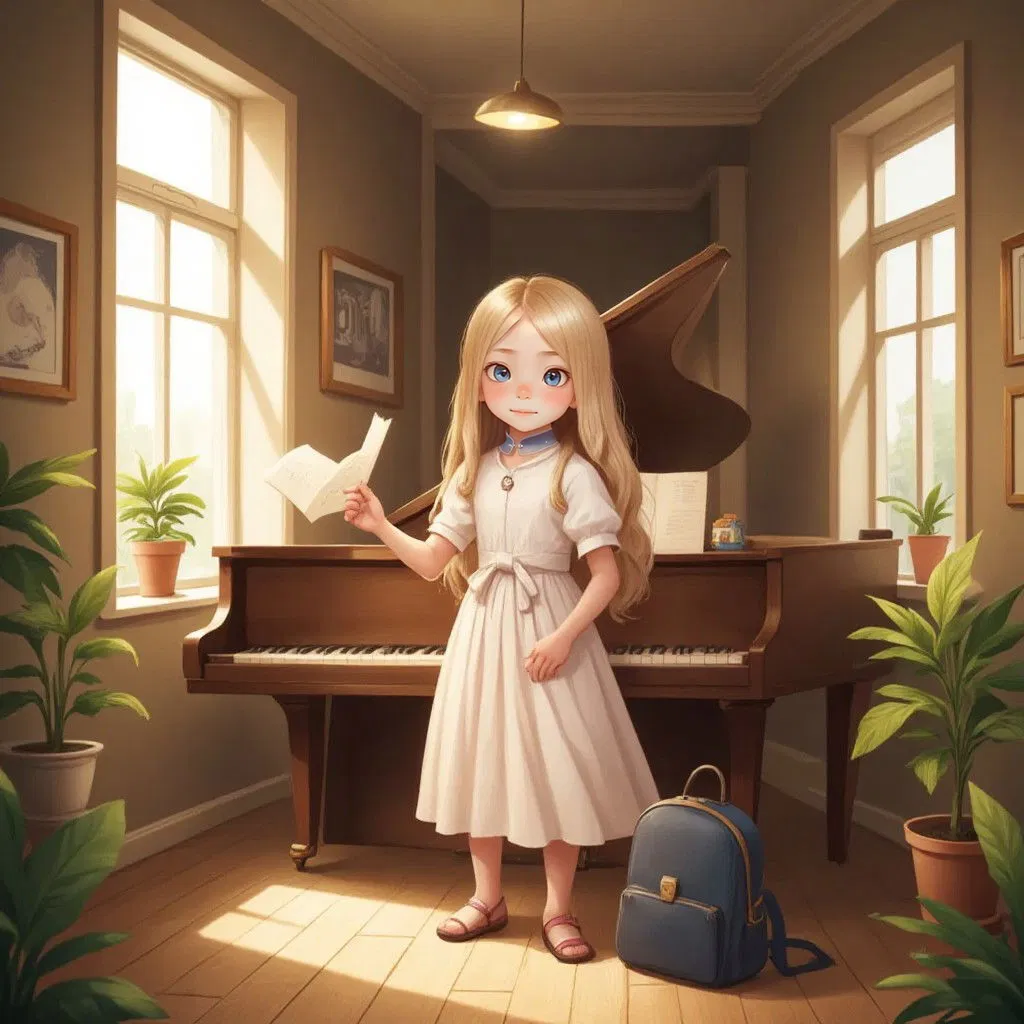
Melody goes on adventure to find the musical rainbow with her animal friends
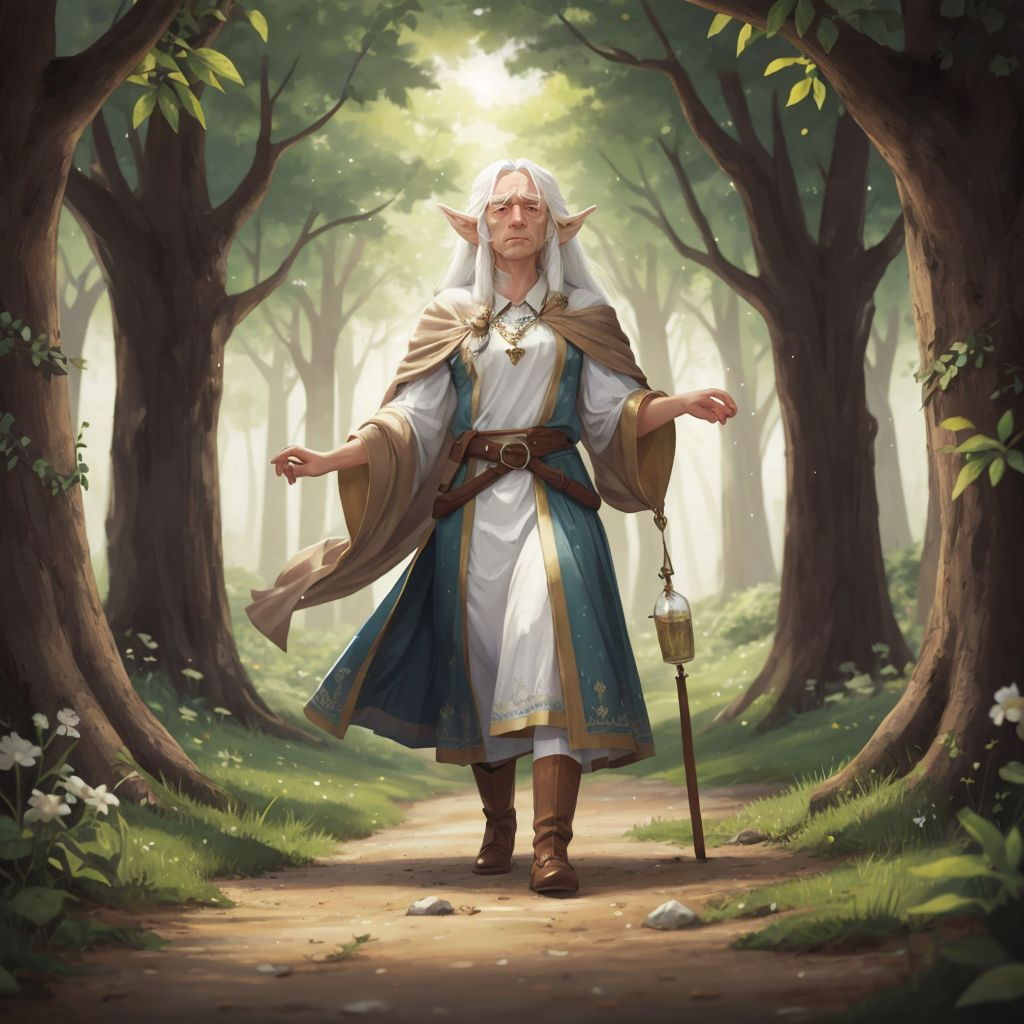
Deep within the Whispering Woods, a serene forest bathed in eternal twilight, lived a group of elves known as the Sylvan Guardians. These elves, led by the wise and kind Elowen, were protectors of their magical realm. Their home was a hidden grove where the trees seemed to sing and the air sparkled with enchantment. One day, a shadowy presence began to creep into their grove. The once-vibrant flowers wilted, and the harmonious songs of the forest grew faint. Elowen, sensing a disruption in the magic of their land, gathered her closest allies: Thorne, an expert archer; Liora, a gifted enchantress; and Faelan, a courageous warrior. Together, they embarked on a quest to uncover the source of the darkness. Guided by ancient whispers and clues from the forest animals, they ventured into the heart of the woods. Their journey led them to an abandoned temple, overgrown and forgotten, where they discovered a dark crystal emitting a sinister aura. Realizing that the crystal was the source of the disturbance, they learned that it had been awakened by a rogue sorceress named Morgath, who sought to harness its power for her own ends. Morgath had once been a guardian herself but had turned to darkness out of greed. Determined to restore balance, the elves confronted Morgath in a fierce battle. Elowen’s wisdom and Liora’s spells, combined with Thorne’s precision and Faelan’s bravery, overwhelmed the sorceress. In the end, they reclaimed the crystal and returned it to its sacred resting place. With the balance restored, the Enchanted Grove flourished once again. The Sylvan Guardians were hailed as heroes, their unity and courage having saved their beloved home. The tale of their bravery became a cherished story, reminding all that even in the darkest times, the light of unity and bravery could restore harmony.

Ava has launched a print-on-demand clothing business from her home in western Hackney. Despite her disability affecting her hands, she is determined to pursue her passion for fashion and design. Instead of being held back by her condition, she has made the bold decision to utilize digital printing companies to bring her designs to life. She understands that this will be a slow and challenging process, but she is ready to take it on with determination and resilience.
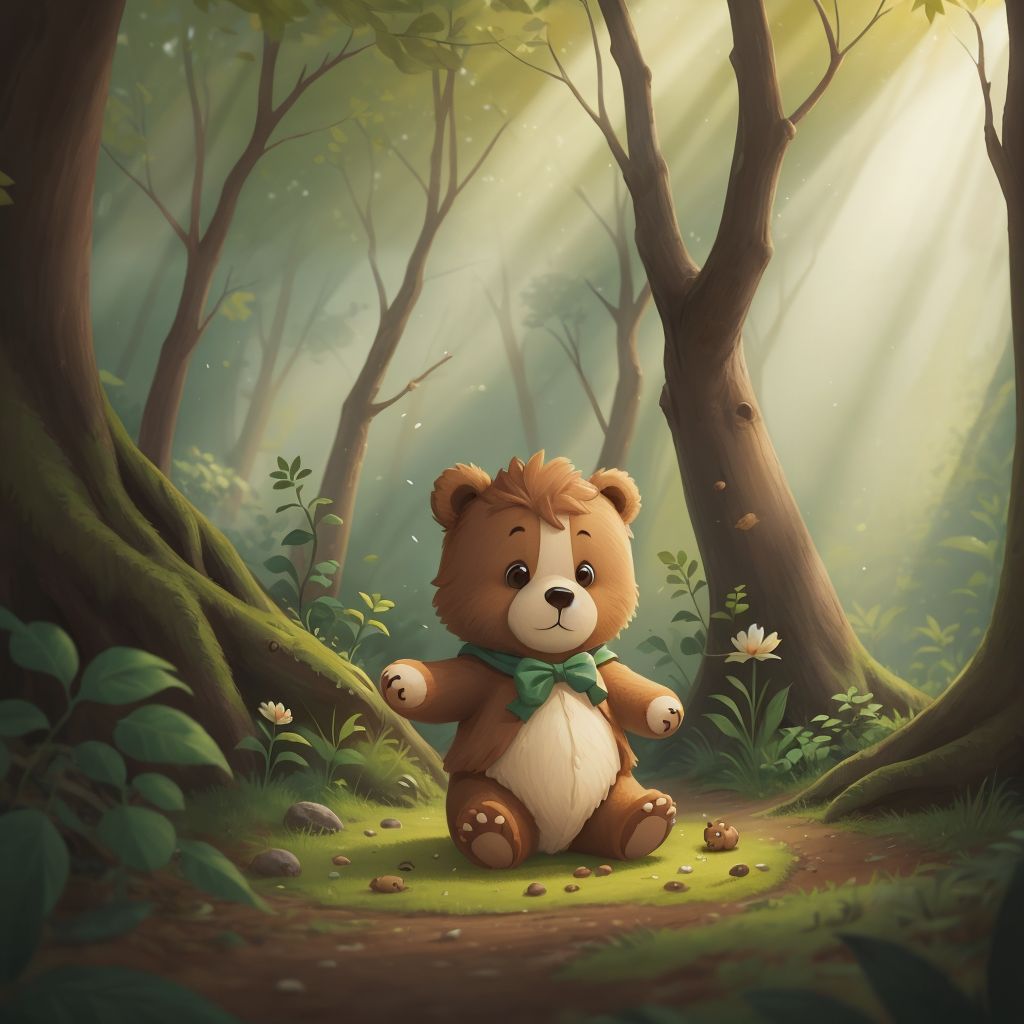
One day, Teddy the bear was playing in the forest. His best friend, a bird named Pip, was with him. "Teddy, let's play hide and seek," said Pip. "Okay, Pip! Let's also use the words in, on, and under," said Teddy. First, Teddy stood next to a big tree. "Pip, look! I am in front of the tree!" he said. "Good, Teddy! Now, find something to stand on," said Pip. Teddy saw a big rock. He climbed on it. "Pip, look! I am on the rock!" he said. "Great, Teddy! Now, find a place to hide under," said Pip. Teddy found a big bush. He crawled under it. "Pip, I am under the bush!" he said. "Well done, Teddy! You used all the words: in, on, and under," said Pip. They kept playing and using the words. Teddy found himself in a small cave, on a log, and under a tree branch. As the sun went down, Teddy and Pip sat by the pond. "Thank you, Pip. I had fun and learned new words," said Teddy. "I am happy too, Teddy. Learning is fun," said Pip. They watched the sunset together. Teddy couldn't wait to play and learn more with Pip. The end.
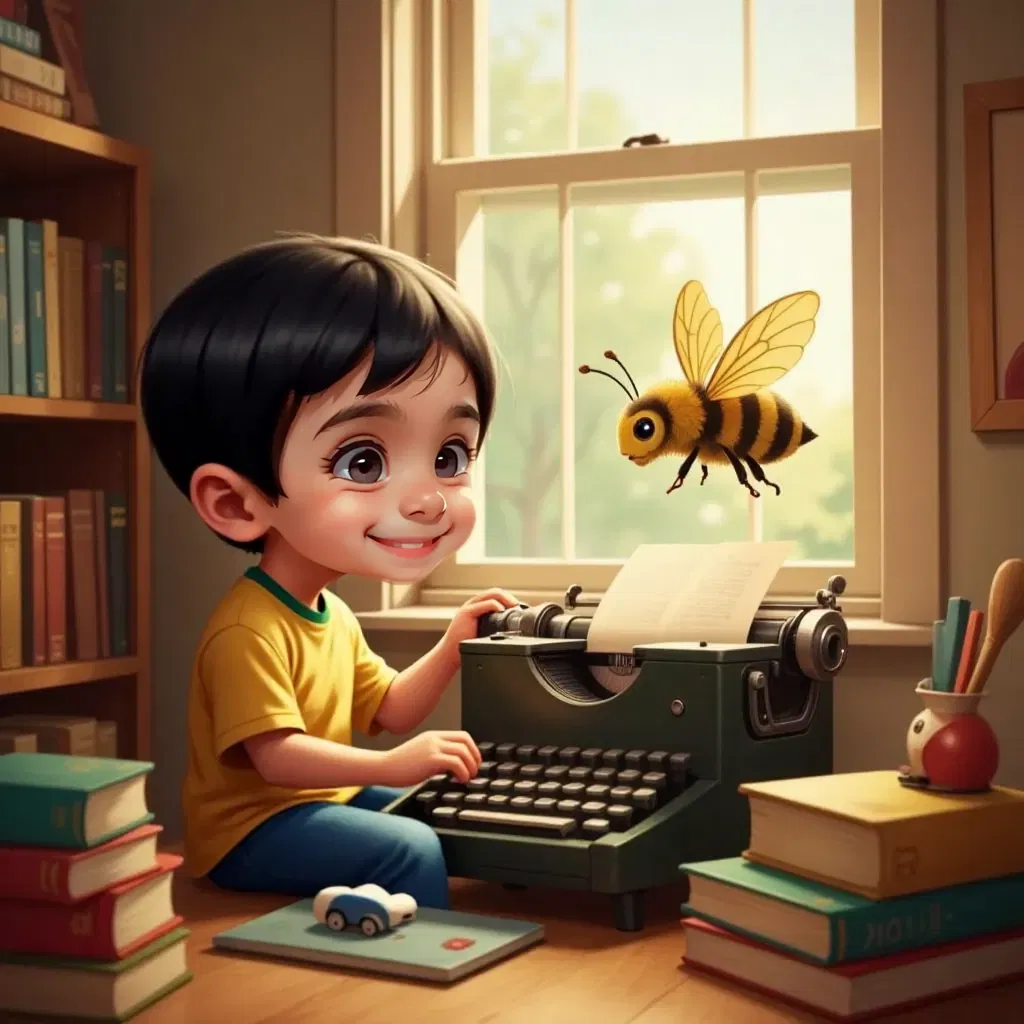
Храбрый Глебушка и Пчела Майя спасают лес, а письмо от любимой сестры Насти напоминает ему, что даже если она далеко, их любовь и дружба всегда рядом.
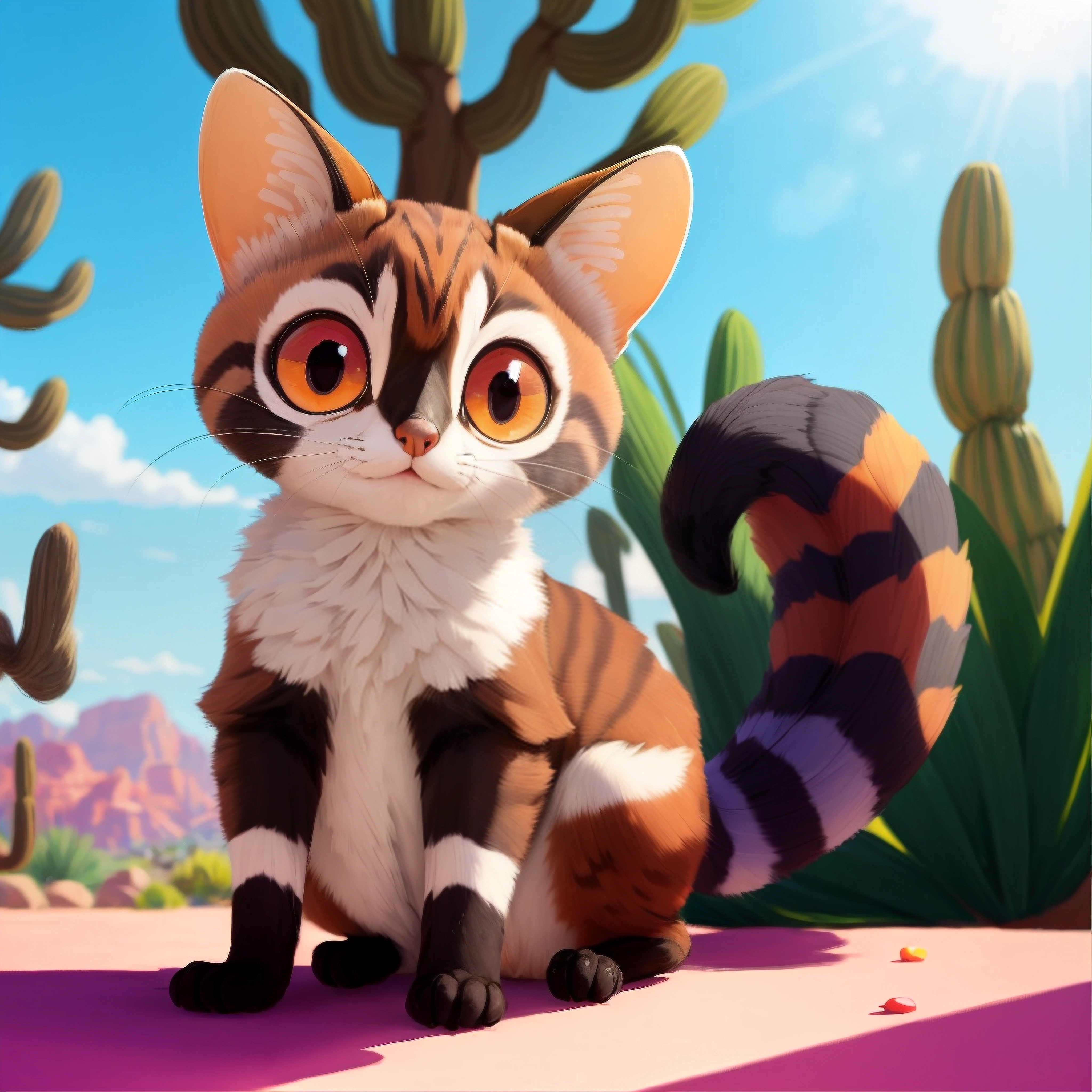
In the beautiful state of Arizona, a clever and adventurous ringtail cat named Sprite lived. Sprite was no ordinary ringtail cat; he had a unique job that made him a hero to all children who visited the magnificent Arizona Biltmore, a Frank Lloyd Write-inspired Architectural, historic hotel. Sprite's story began long ago, during the days of pioneers and gold rushes. Back then, people traveled west in search of fortune and adventure. Among these travelers were children who settled in Arizona. There, they discovered the little creature with a vibrant tail that they called Sprite. Ringtails were special because they were cute, affectionate, and incredibly skilled at keeping children safe and free of pests. Sprite was loved by the children and helped make life a little easier for them in the Wild West. Sprite lived at the Arizona Biltmore, a grand historic hotel nestled amidst the stunning desert landscape. The hotel was not just any place. It was home to all who visited Arizona.